分类
Common problems encountered when using a washing machine
In the busy daily hustle and bustle of a busy household, a washing machine malfunction can disrupt daily activities. Frequent problems with these important appliances, from disturbing noises to unpleasant odors, can be both frustrating and unsettling. However, this comprehensive guide offers practical solutions and troubleshooting tips.
Oct 28th,2024
536 浏览量
In the busy daily hustle and bustle of a busy household, a malfunctioning washing machine can disrupt daily activities. Frequent problems with these important appliances, from disturbing noises to unpleasant odors, can be both frustrating and disturbing.Often you don’t fully realize how important your washing machine is until it breaks down. It’s imperative to diagnose what’s wrong with it. Some washing machine problems, like odors, can be fixed by the homeowner themselves. Other issues, like a washing machine refusing to spin, may require professional help.
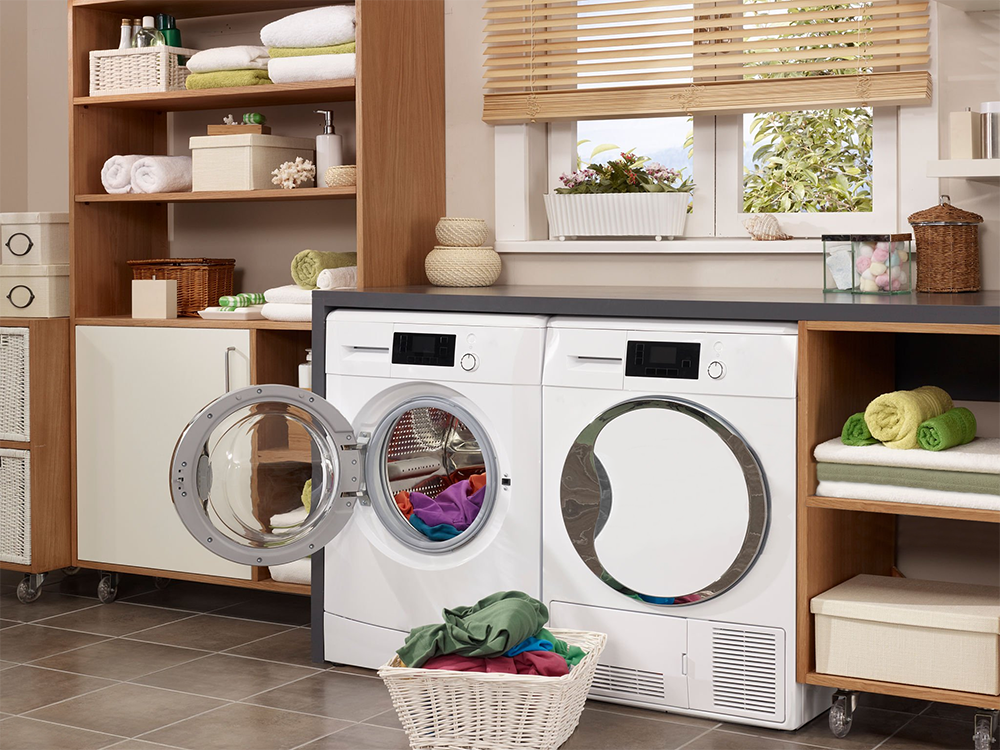
Diagnosing the Cause of a Disturbing Noise or Shaking in your Washing Machine
Below are the primary reasons and corresponding fixes for a washer that is noisy or vibrating:
· Unbalanced load: This often occurs when heavier items are placed on one side of the washer or shift during the wash cycle, especially with large or bulky loads. To resolve this, simply open the washer and redistribute the clothing evenly.
· Uneven leveling legs: All four legs of the washer should be in full contact with the floor. To check for this, gently rock the empty washer side to side. If it rocks, adjust the leveling legs according to the manufacturer's instructions.
· Inadequate floor support: Some washing machines, particularly those with high-speed spins, may not receive adequate support from above-ground floor installations or pier-and-beam foundations. In such cases, securing a 3/4-inch plywood sheet under the washer base can help reduce excessive vibration.
· Broken components: The noise or vibration may stem from damaged parts that stabilize the washer, such as suspension springs, balance rings, snubber pads, or shock absorbers. Inspect these components and replace any that are faulty.
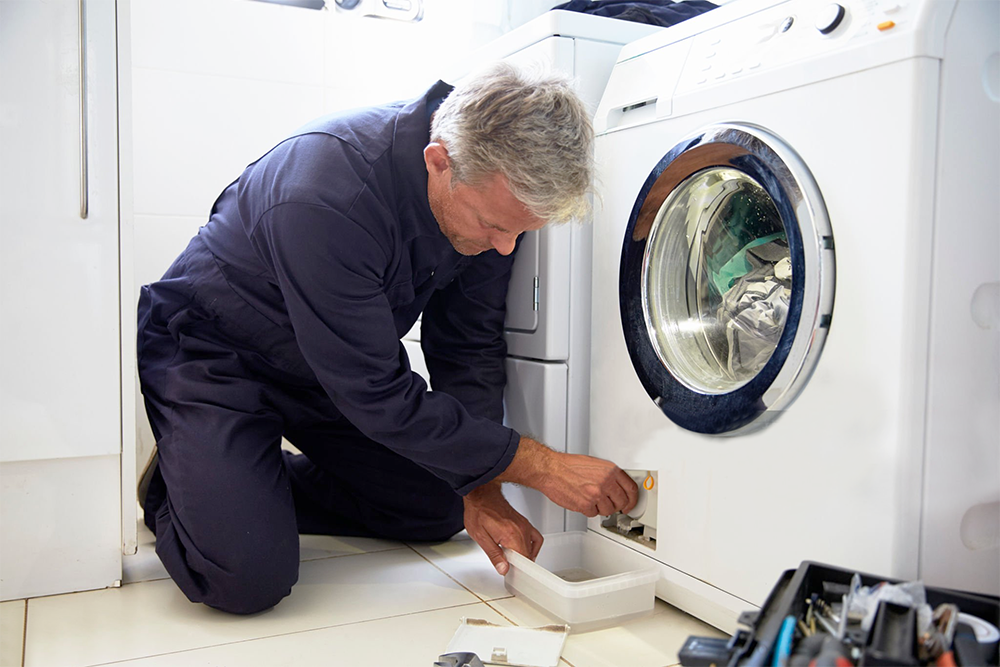
The Washing Machine Fails to Initiate
If the washer receives power but won't start, the switch that senses whether the lid is closed or locked may be faulty. A faulty timer, main electronic control board, user interface board, or motor control board may also cause the washer to not start.
Washing machines with electronic control systems often signal an error code on the display when they won't start. If your washer's display signals a code, use our Washing Machine Error Code Chart to determine the cause of the code and fix the problem.
Vertical modular top-load washing machines signal component problems in a unique way. This type of top-load washer locks the lid during a cycle because it spins the basket at high speeds in spin mode. When the washer won't start, a vertical modular top-load washer flashes the lid lock light instead of displaying a code. Our "How to Troubleshoot a Flashing Lid Lock Error on a Vertical Modular Washer"
Top-load direct-drive washing machines use an electromechanical timer to control washer functions and therefore don't signal an error code. This type of washer doesn't lock the lid because it spins the basket at a slower speed than a vertical modular top-load washer. Instead, a direct-drive top-load washer stops if you lift the lid. A wash cycle won't start if a direct-drive washer isn't filled with water or if the water level pressure switch doesn't detect that the washer is filled with water.

The Washer Fails to Rotate
The washer's spin basket is powered by numerous components, and any issue with one of them can halt its spinning.
For top-load washers with direct drive (where the lid doesn't lock during washing), potential culprits include a faulty clutch, worn clutch band, or broken drive block. Additionally, a broken motor coupler, malfunctioning lid switch, or defective timer can also prevent spinning.
In top-load washers with vertical modular design (where the lid remains locked throughout the cycle), problems such as a failed shifter assembly or worn drive belt can impede the spinning of the wash load. For a diagnostic and repair guide, watch our video on troubleshooting a top-load washer that won't drain or spin. This video offers solutions for spin issues in both types of top-load washers.
Water Fails to Empty
Various parts collaborate to facilitate the washer's spin basket operation, and any malfunction in them can hinder the washer's spinning ability.
In top-load washers with direct drive (where the lid remains unlocked during washing), issues such as a faulty clutch, worn clutch band, or damaged drive block can stop the basket from spinning. Additionally, a broken motor coupler, defective lid switch, or malfunctioning timer can also prevent this type of washer from spinning.
For top-load washers with vertical modular design (where the lid is locked throughout the entire cycle), a failed shifter assembly or worn drive belt can impede the washer's ability to spin the wash load. To learn how to diagnose and fix a top-load washer that won't spin, watch our Troubleshooting video on top-load washers with drainage and spinning issues. This video offers solutions for spin problems in both types of top-load washers.
An Error Code Appears on the Control Panel
A front-load washer boasts the advantage of having an electronic control board that identifies machine issues and displays an error code on the panel whenever a malfunction arises.
To determine if you can resolve the problem indicated by your washing machine error code, consult your washing machine manual's error code chart to find the appropriate code and review the recommended troubleshooting steps.
Choose reliable washing machine controllers at elecontro®
With more than twenty years of expertise in home appliance control, elecontro® is a professional manufacturer of washing machine controls that perfectly meet your individual requirements and preferences. elecontro®'s dynamic team of visionary engineers and designers continue to push the boundaries of home appliance control technology, ensuring we remain at the forefront of innovation.