Different types of ovens may cook food in their own ways, but most ovens generally rely on two separate metal heating elements to prepare food. Depending on where the rack is positioned and which settings are selected, an oven can brown or crisp a dish or bake it gently.
Comparing the capacities of single and double wall ovens can help you choose the most suitable option for your kitchen.
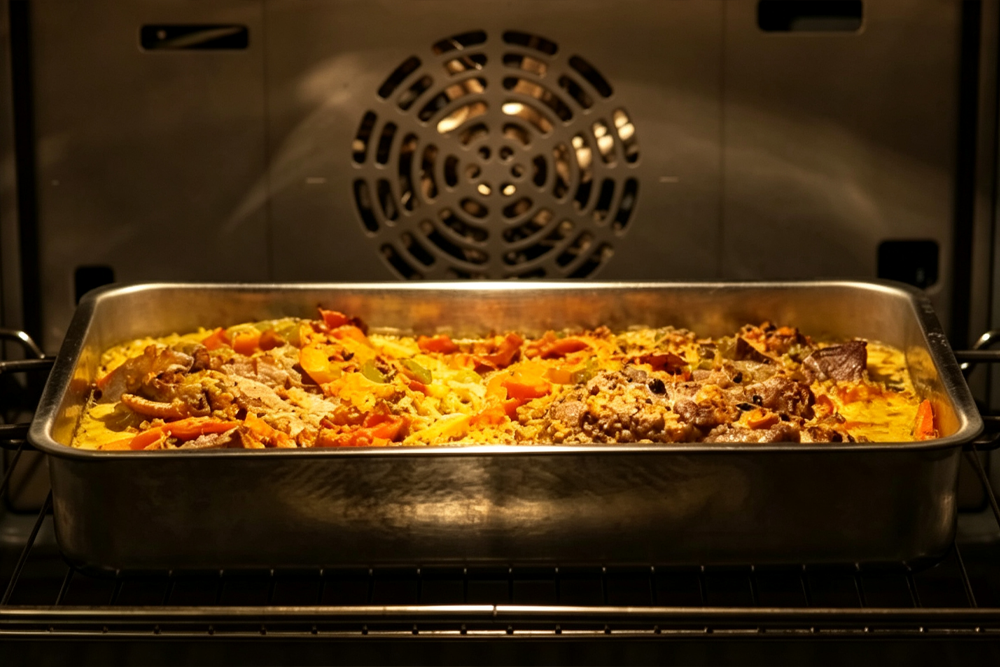
Some convection ovens include a rear third heating element in addition to a built-in fan, which helps spread warm air around the food and can speed cooking. The fan moves heated air uniformly across several racks inside the oven cavity. Convection features are available on some gas and electric models, though these two oven types still differ in several respects.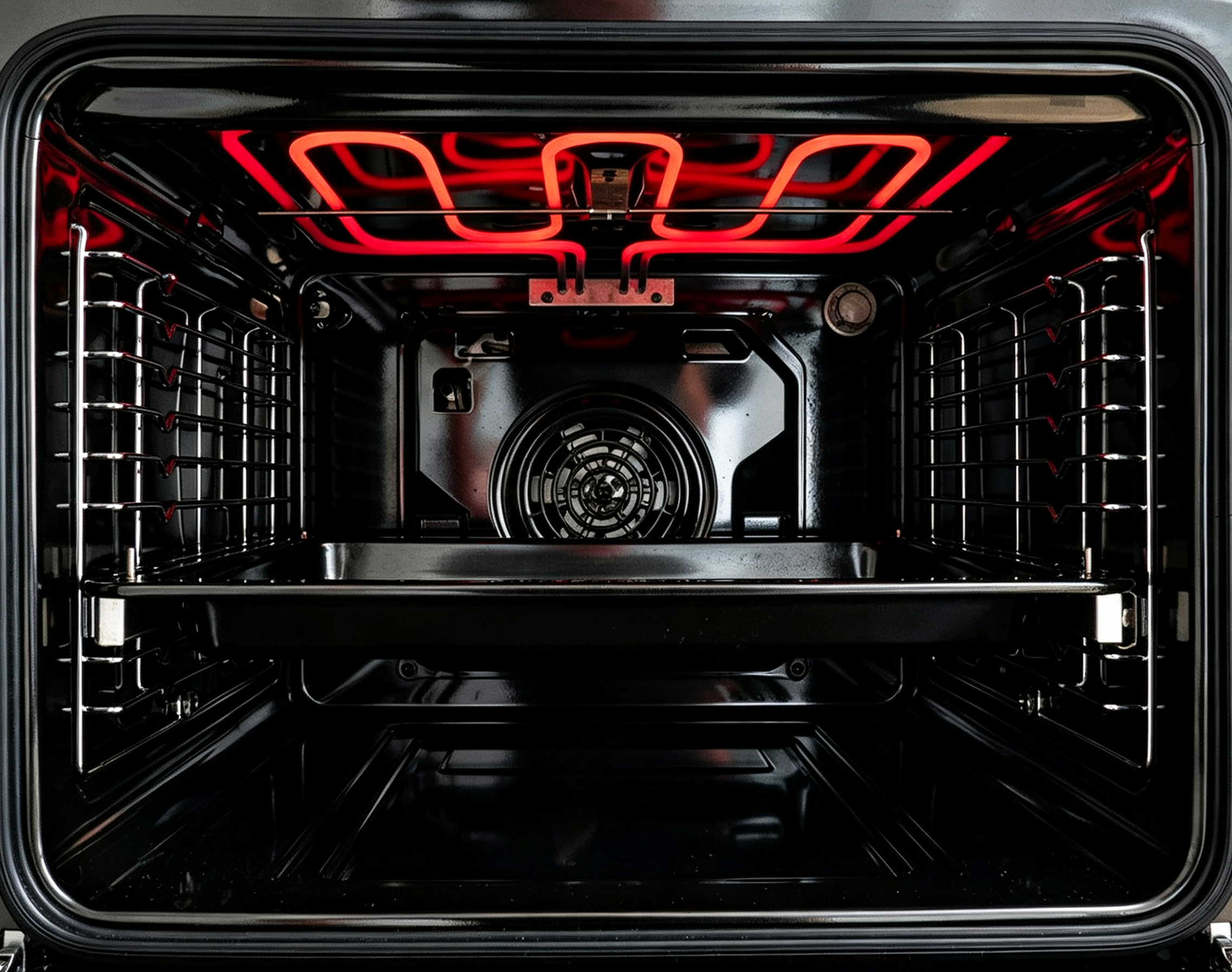
A gas oven heats food with burners that operate on propane or natural gas. These burners create flames both on the stovetop of a kitchen range and inside the oven cavity, allowing for baking, roasting, broiling, and other cooking methods. Since the open flame can be adjusted with ease, gas ovens generally preheat more quickly than traditional electric ovens. For guidance on using a gas stove, including the oven, refer to the tips provided.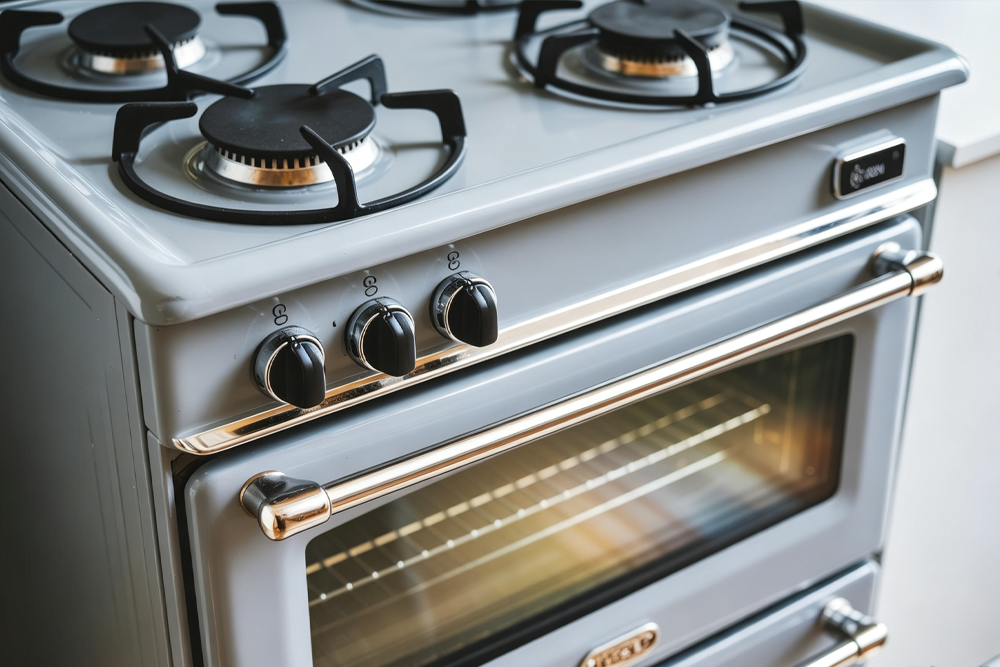
An electric oven cooks food using metal heating elements that are powered by an electrical current. These elements can provide heat from below or broil food from above. Conventional electric ovens offer the advantage of being the standard oven that most recipes are written for. They also tend to broil and crisp foods with slightly drier heat than gas ovens.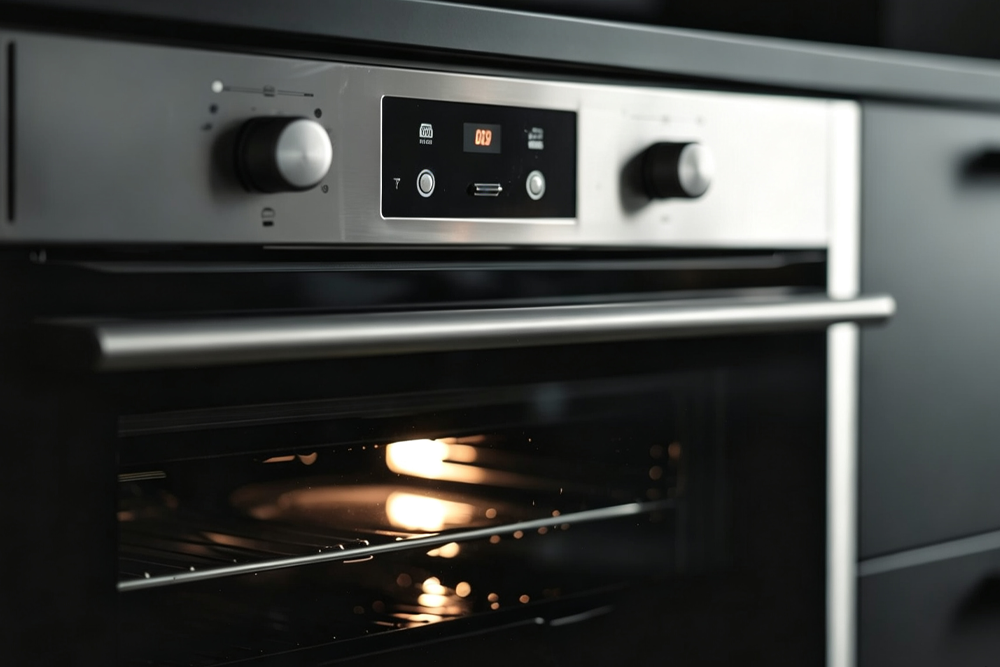
A range’s cooking surface—referred to as the cooktop or stovetop—is positioned above the oven cavity. An induction cooktop may resemble a traditional cooktop, yet several notable distinctions exist. Beneath the surface of an induction cooktop, a copper coil uses electromagnetic energy. When induction-compatible cookware is placed on the cooktop, this interaction produces heat for cooking food.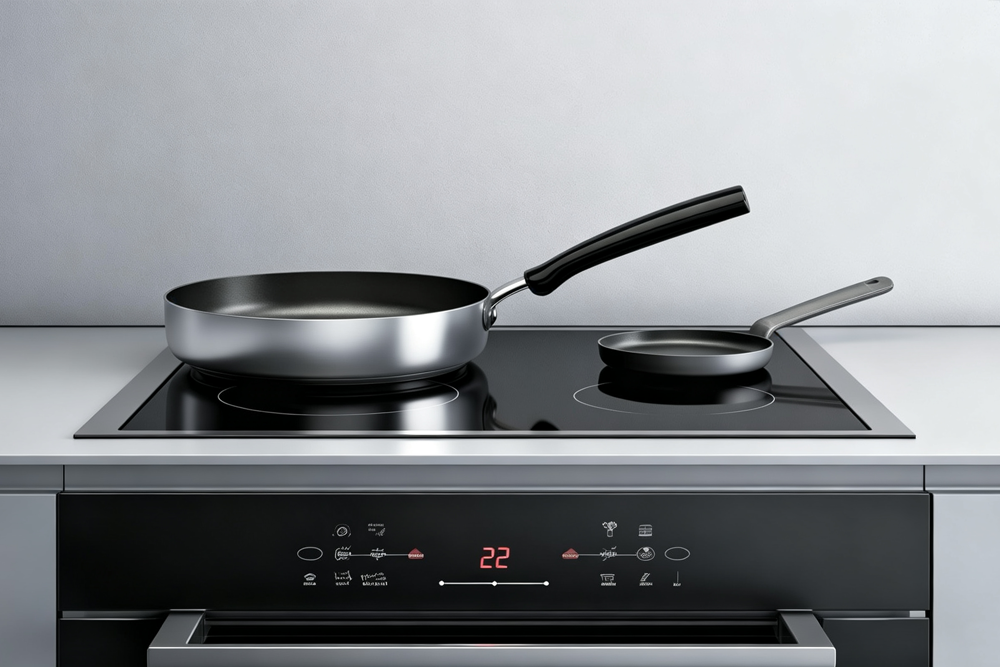
A steam oven heats water and channels the resulting steam into the oven cavity. This cooking approach works effectively and may be just as fast as a conventional oven. In certain ovens, steam also provides an easy method for cleaning the interior.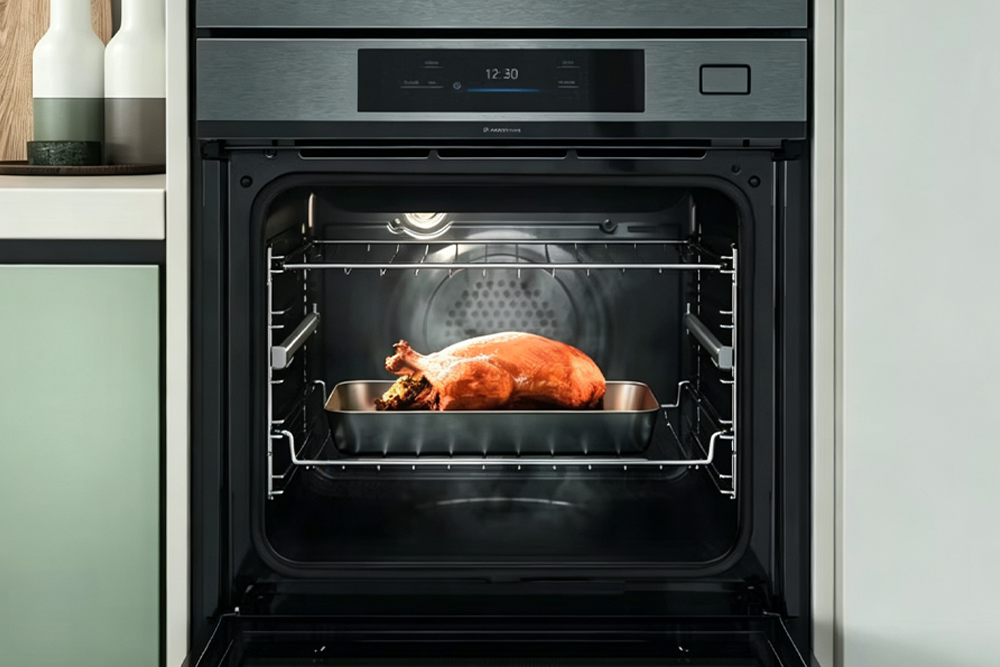
In an electric oven, an electrical current heats the bake and broil elements. In a gas oven, heat is generated by a gas-fueled element positioned at the bottom. To learn about additional oven elements, or for details specific to your model, refer to your oven’s use and care guide.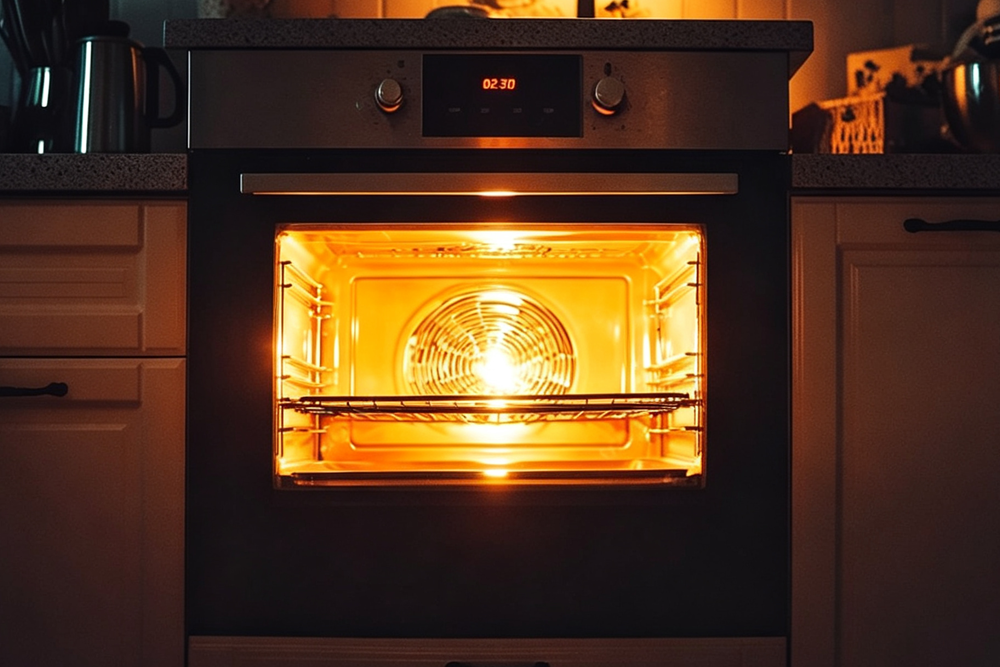
elecontro® has specialized in kitchen appliance control for over 20 years, offering a range of functional oven timers and customizing them to suit your specific needs and preferences. Our team of innovative engineers and designers remains at the cutting edge of kitchen appliance control technology.