If you're contemplating purchasing a Range Hoods for your kitchen, there's much to ponder. From the size of the Range Hoods, CFM ratings, and ductwork setup to your cooking routines, the decision is multi-faceted.
The placement of your kitchen range determines the type of Range Hoods you require.
When deciding on the Range Hoods for your kitchen, you have various options. It might seem straightforward once we break it down, so let's proceed.
For ranges positioned against a wall, a wall-mounted Range Hoods is ideal. If your range sits under cabinets, an under-cabinet Range Hoods is the way to go.
Kitchen islands with ranges are also quite common. In such cases, an island Range Hoods is suitable.
If you have customized cabinetry or a custom hood above your range, a range hood insert is what you need.
Lastly, for outdoor kitchen ranges, an outdoor Range Hoods is the appropriate choice.
Additionally, there are professional and artisan Range Hoods. Professional Range Hoods are kitchen fans capable of moving 900 CFM or more, whereas artisan Range Hoods are custom-built for your kitchen. Most custom and professional models are wall or island hoods.
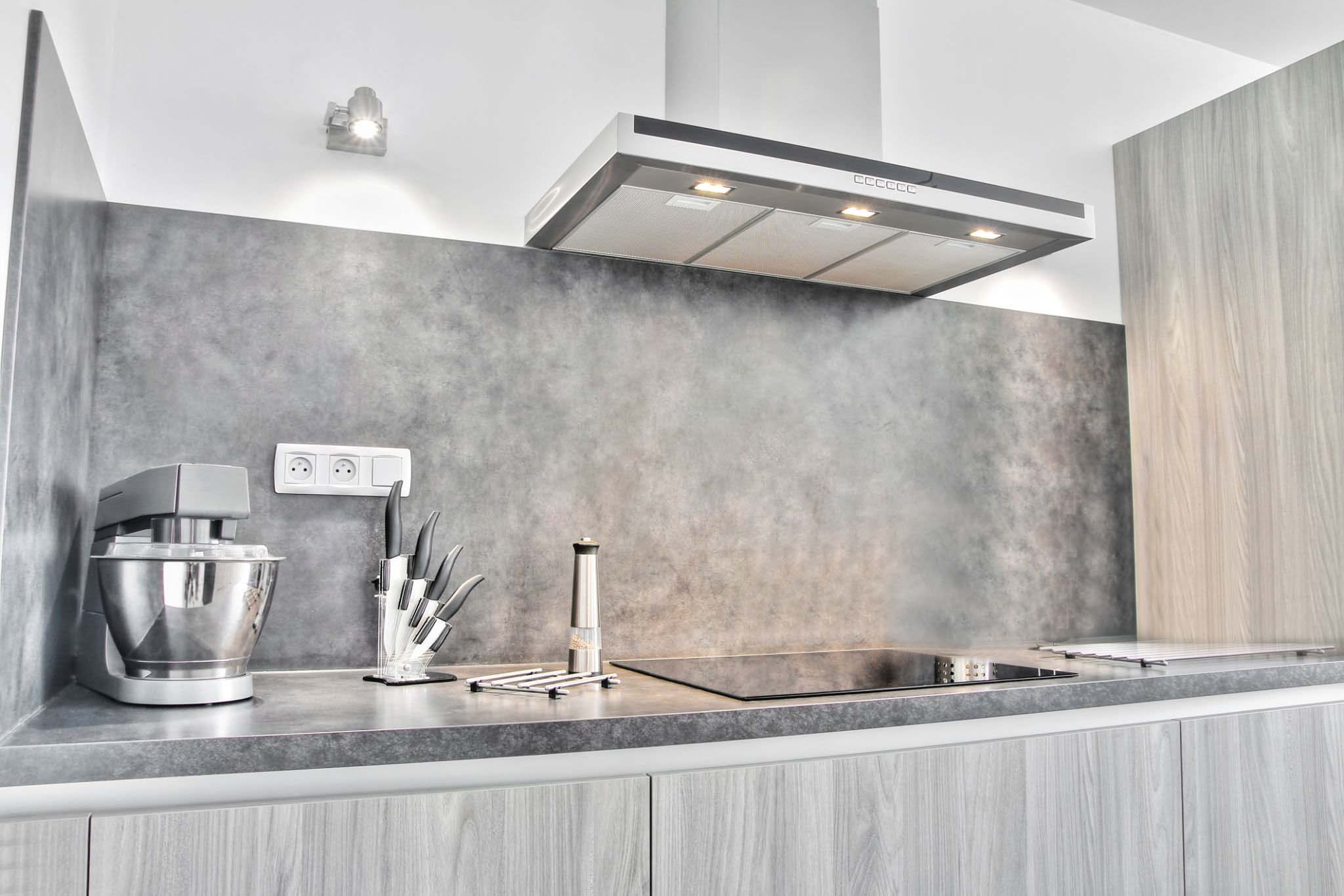
How tall is your ceiling? This factor can influence the selection of your Range Hoods.
Based on the ceiling height in your space, you might require a Range Hoods equipped with chimney extensions. Chimney extensions serve as supplementary accessories for your range hood, designed to cover the ductwork.
For standard 8' and 9' ceilings, the majority of wall and island Range Hoods come with chimneys that fit these dimensions. However, if your ceiling is unusually tall, you will probably need a chimney extension.
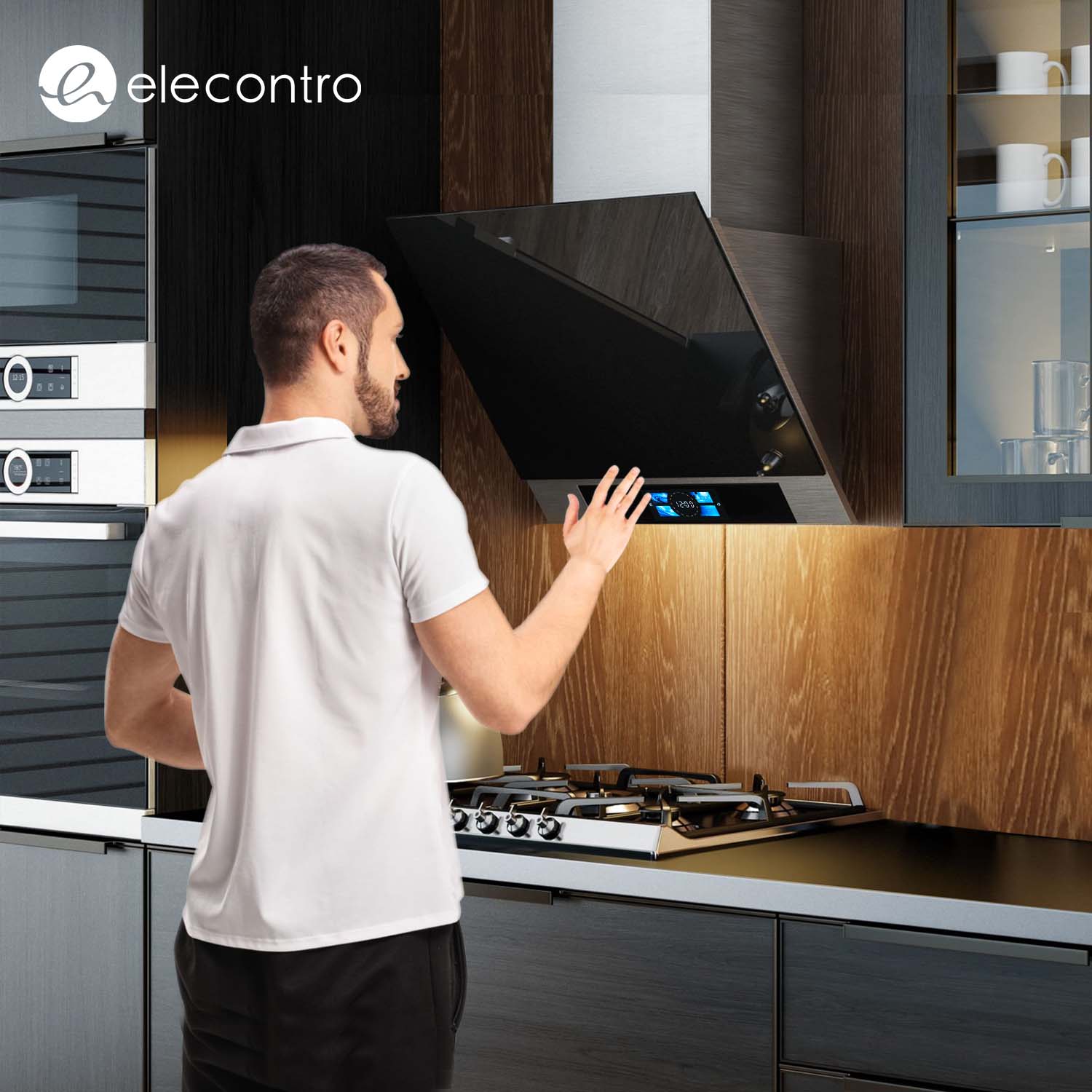
Is there sufficient space for mounting the Range Hoods?
In your kitchen, it's recommended to mount your indoor Range Hoods between 28 and 36 inches above the cooktop, ensuring you have the necessary space.
For outdoor kitchens, it's crucial to mount your Range Hoods between 36 and 42 inches above the cooktop surface to guarantee effective ventilation of heavy grease and smoke from your grill.
2. Range Hood CFM
Satisfaction with your range hood is crucial, which is why getting the CFM right is important. Discovering that your hood lacks sufficient power after purchase can lead to disappointment. However, opting for a range hood with a higher CFM than anticipated is generally harmless, especially considering you can't boost your hood’s CFM post-purchase.
To find the right CFM for you, here are some key considerations. And remember, Range Hoods play a vital role in this decision.
What is the size of your cooktop? Range Hoods need to be appropriately sized for your cooking area.
Generally, a larger cooktop translates to higher power, measured in BTUs, which necessitates a higher CFM for your Range Hoods. Additionally, a bigger cooktop requires a larger hood; we'll delve into this further later.
How frequently do you engage in cooking? Are Asian, greasy, or fried dishes your culinary preferences? These factors are important to consider when choosing the right Range Hoods.
Before purchasing a Range Hoods, it's crucial to consider your cooking habits, including how often you cook and what types of dishes you enjoy preparing. For instance, those who cook frequently and have a penchant for Asian cuisine and fried foods will require a Range Hoods with a higher CFM. Conversely, individuals who cook only a few times a week may opt for a less powerful hood.
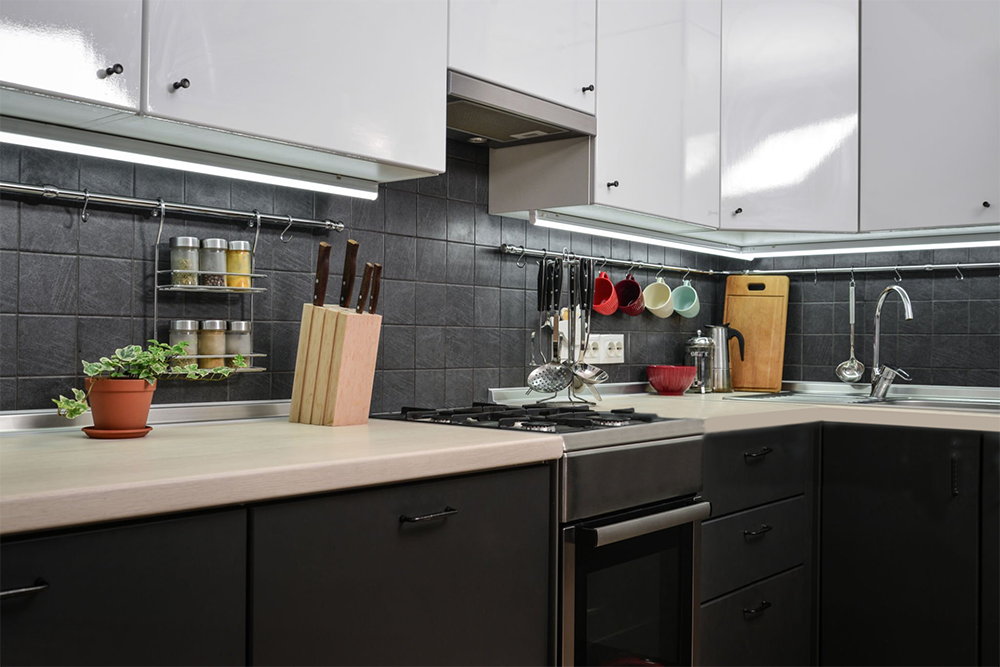
What is the power level of your cooktop, and is it fueled by gas or electricity? These are important considerations when selecting the appropriate Range Hoods.
When selecting Range Hoods, it's essential to consider the power of your cooktop and whether it's gas or electric. Gas ranges are rated in British Thermal Units (BTUs), while electric ranges are measured in watts. Typically, a gas stove requires a more powerful hood compared to an electric stove.
To determine the minimum CFM for a gas range hood, divide the total BTUs by 100. For instance, a 48” gas cooktop with six burners and a griddle might have small burners at 8,000 BTUs and large burners at 12,000 BTUs, totaling 60,000 BTUs for the burners and an additional 20,000 BTUs for the griddle, making the total 80,000 BTUs. Using the rule of 100 CFM per 10,000 BTUs, you would need a hood with a minimum power of 800 CFM.
For an electric range, you can calculate the minimum CFM by multiplying the width of the range by 10, without needing to consider the watts.
3. Range Hood Size
For indoor kitchens, we advise sizing your Range Hoods three inches wider than your range on both sides to ensure effective smoke and fume extraction.
For outdoor kitchens, it's recommended to make your Range Hoods at least six inches larger than your range on each side. For instance, if your grill is 36”, your hood should measure at least 48” in width.
4. Level of Noise
The noise level of your Range Hoodsmay play a crucial role in your decision-making process. Do you prioritize power over noise, or do you prefer a quieter hood? It's a bit of a compromise, but a high-quality Range Hoods, even if powerful, shouldn't be excessively loud.
Remember, quality is key. A low CFM doesn't necessarily equate to low noise; you also want a hood with an efficient motor. For instance, a 1000 CFM hood might feature a quieter motor than a 600 CFM hood, depending on the quality of materials and manufacturing process. Keep this in mind during your shopping experience.
5. Type of Exhaust – Vented and Non-Vented Range Hoods
You have two options for setting up the ventilation system on your Range Hoods: a vented (or ducted) system and a non-vented (or ductless) system. The vented system employs ducting to direct the air away from the kitchen and expel it outside the home.
6. Budget
Your budget is essential when shopping for Range Hoods, no matter how much research you've done.
What makes a Range Hoods budget-friendly? Here are some key factors to consider:
Quality: Higher quality Range Hoods often come with a higher price tag due to their superior materials, efficient motors, and advanced features.
Material: Outdoor Range Hoods are typically pricier because they are constructed with durable, weather-resistant materials.
Size: Generally, the larger the Range Hoods, the higher the cost.
Power: More powerful Range Hoods also tend to be more expensive.
Type: Island and outdoor Range Hoods are generally more costly than wall-mounted and under-cabinet models. Under-cabinet hoods are usually the most affordable choice.
In the long run, investing in a higher quality, more expensive Range Hoods is beneficial. It can save you money on replacement parts and prevent the need for a new hood after a few years due to breakdowns. A low-quality hood can become a financial strain over time.
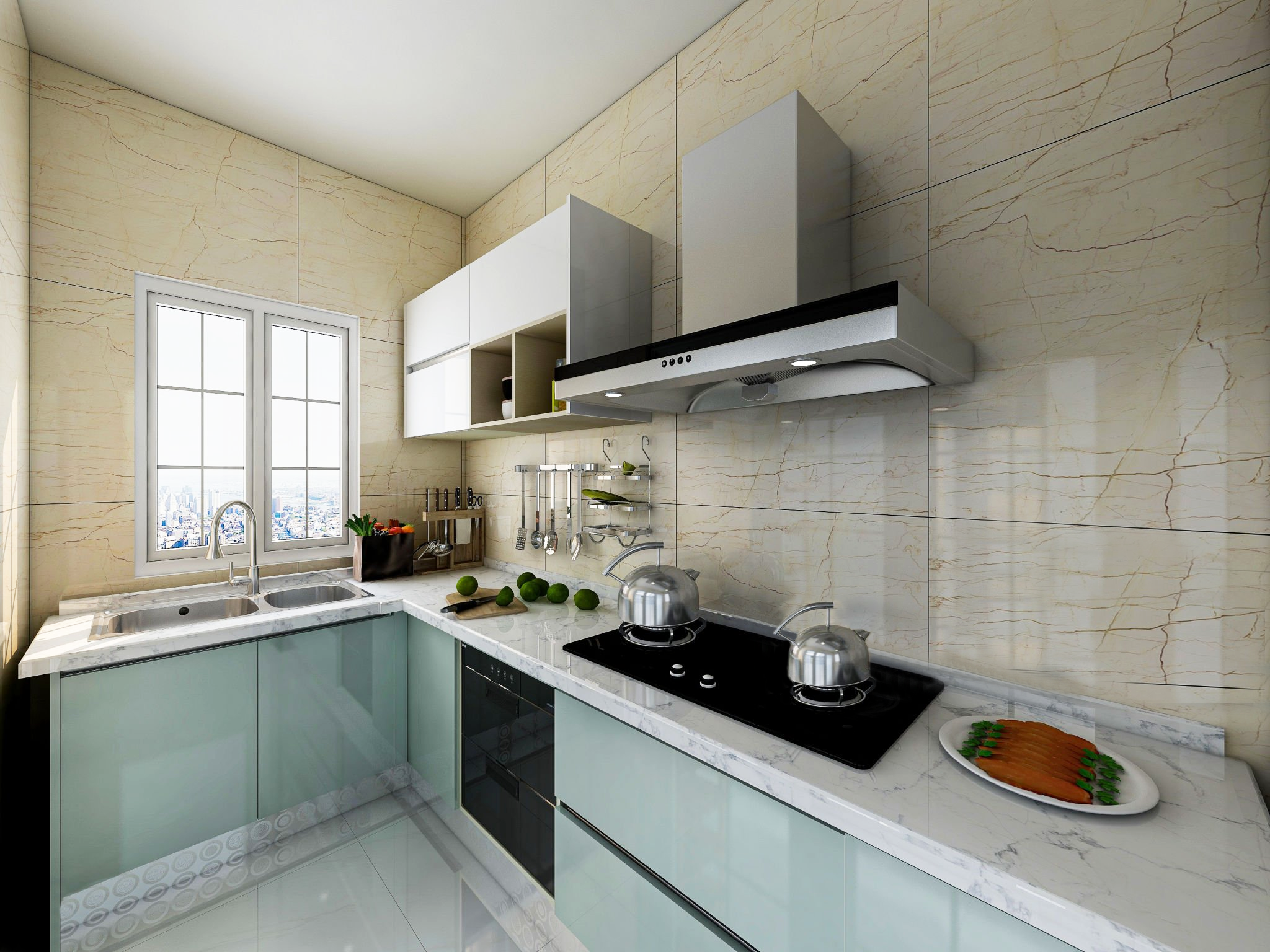
Choose elecontro® Range Hood range hood Controller – enhance your kitchen experience!
elecontro®'s range hood controller not only improves your cooking comfort but also maintains the pristine kitchen environment through detailed control of air flow and extraction rate. With more feature settings tailored to your cooking habits, you'll experience unparalleled performance and longer service life from your range hood.
With over 20 years of expertise in kitchen appliance control, elecontro® offers you a range hood control system customized to meet your unique needs.