Encouragingly, you do not necessarily need a steam oven or a dedicated steam setting on your range to begin learning how to steam in an oven. Steam cooking in an oven relies on hot water vapor rather than dry air. A steam oven—or an oven equipped with a dedicated steam cycle—is designed to cook with hot steam instead of hot air. Typically, such ovens draw water from a small reservoir into a boiler unit, heat it to roughly 212°F, and then direct the resulting vapor into the cooking chamber, surrounding dishes with moist heat. Read on for useful tips.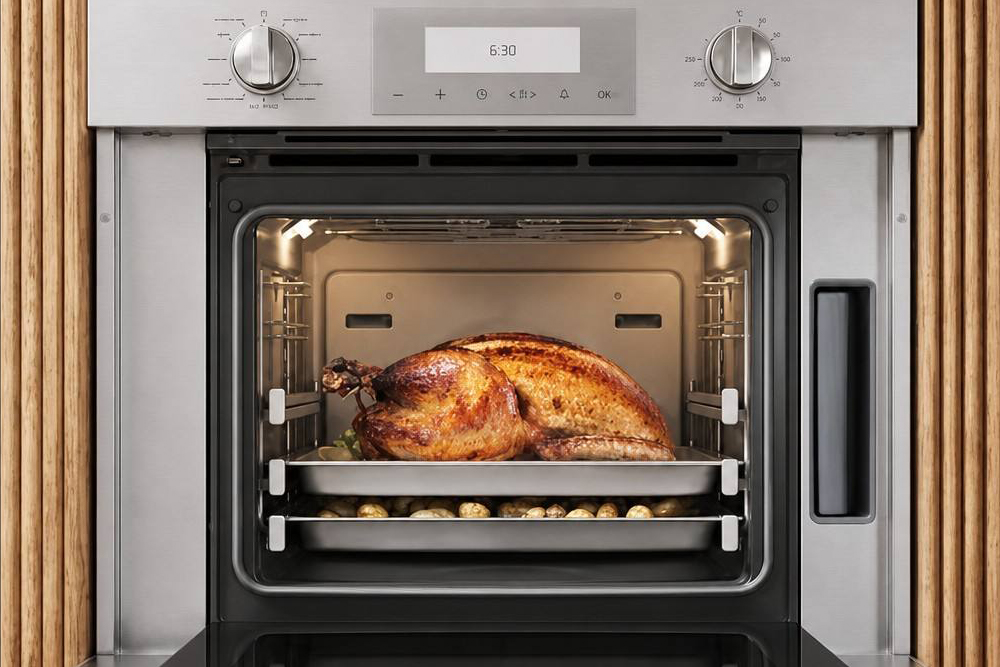
Even if your oven lacks a dedicated steam setting, you can still steam a variety of foods in it. Do not let the absence of a steam function discourage you. If you do not own a steam oven, follow the steps below to steam food in your oven.
· Add water or broth in the amount specified by your recipe.
· Place the food in an oven-safe dish or pan. The container may have a water reservoir underneath, or you can put water or broth directly into the dish with the food.
· Cover the dish tightly. Aluminum foil often works well, and oven-safe Dutch ovens with a tight-fitting lid can also be useful for steam roasting and similar techniques.
· Cook for the time indicated in your recipe.
· Carefully remove the foil or lid, keeping in mind that steam may escape, and check whether the food is done.
Another method that works for certain recipes is to set a separate pan of water on a lower rack in the oven. This releases steam while foods such as crusty bread or cheesecake bake.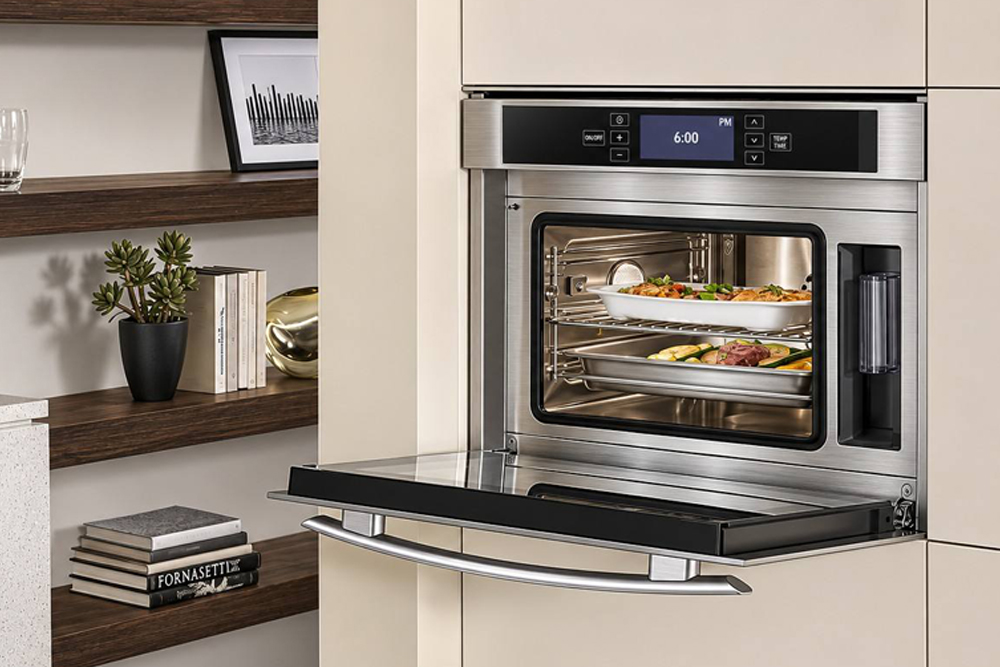
Because steaming relies on heated water vapor rather than liquid submersion, it can help preserve the nutritional content of the dish. Steam transfers heat gently and gradually, which helps keep the surface of the food from drying out. Unlike boiling, where nutrients and flavor can dissolve into the cooking water, steam cooking allows food to retain more of its natural taste and nutritional value since the food is not submerged.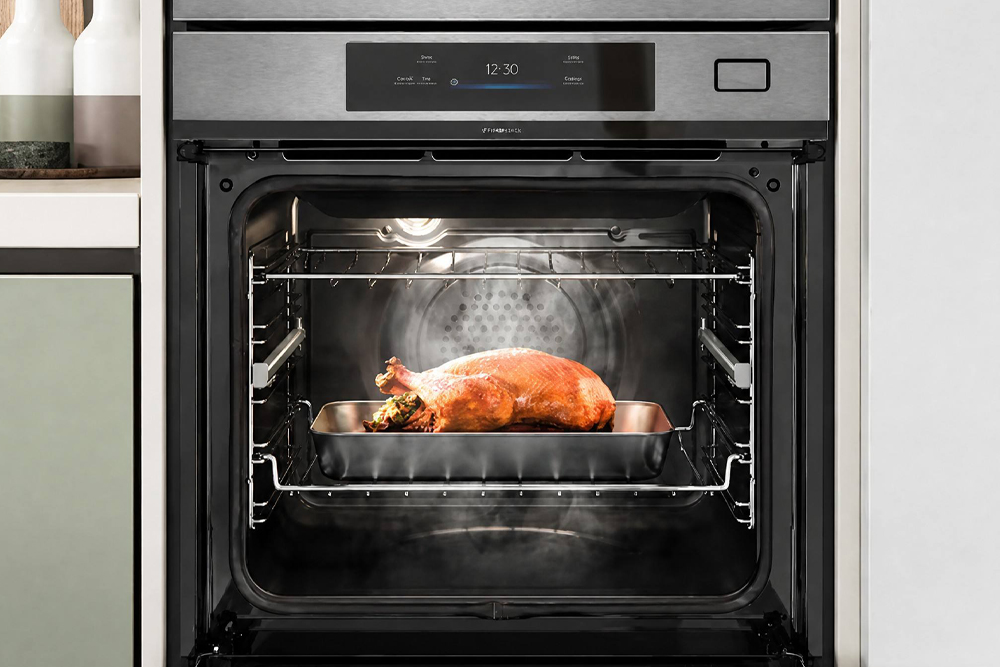
In a convection oven, steam and convection heat can be used together, with both hot air and steam contributing to the cooking process. This approach combines the browning produced by convection with the moisture provided by steaming. A convection oven uses a fan—and on some models an additional rear element—to move warm air throughout the oven cavity, which can support heat distribution across multiple racks as well as browning and crisping.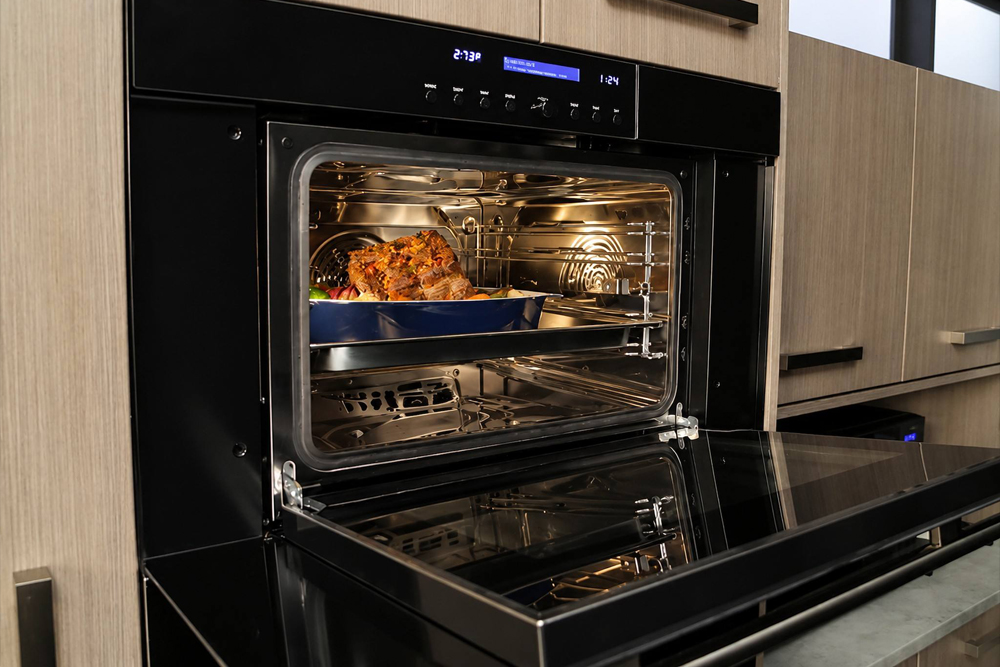
Steam cooking in an oven is a straightforward method that pairs convenience with good nutrition. By relying on moisture rather than dry heat alone, it can improve both the flavor and overall quality of certain dishes. The benefits below explain why many households try this approach alongside more familiar techniques such as roasting and baking.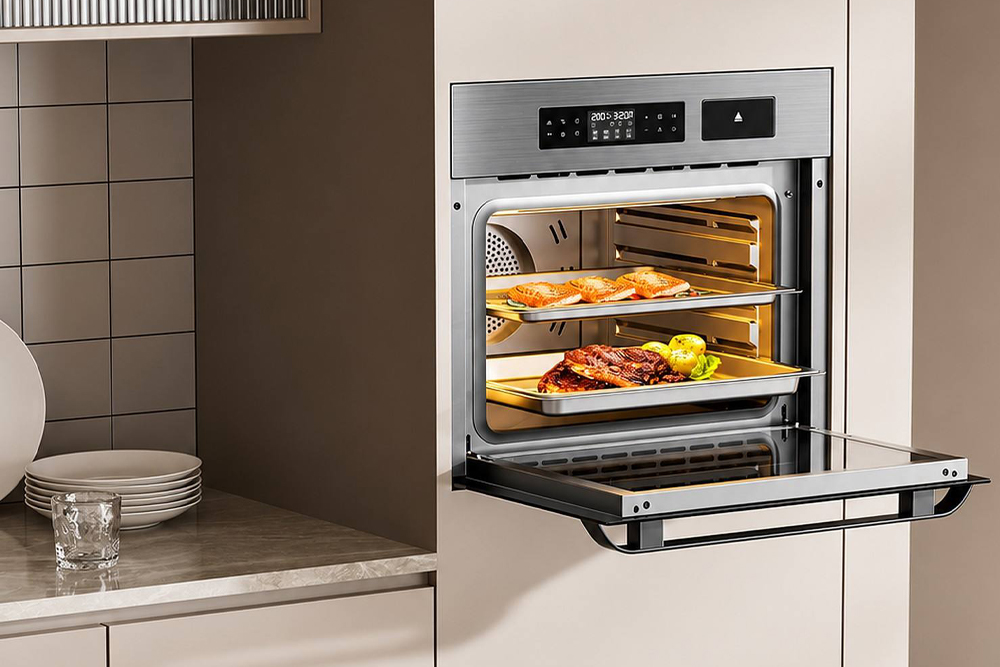
1. May help retain certain nutrients
Steaming can reduce nutrient loss because food is cooked above water rather than being submerged, so water-soluble vitamins are less likely to leach out. Vitamins such as C and B, which are often lost during boiling, tend to be better preserved when foods are steamed. Results may vary depending on the food, nutrient, cooking time, temperature, and amount of water exposure.
2. Often requires little to no added oil
Steam cooking is generally a relatively healthy option because it calls for minimal oil. Since ingredients are usually placed above water and not fully immersed, nutrient loss from leaching is limited. The moist environment also helps prevent drying and sticking, so oil often becomes optional and is used mainly for flavor rather than as a necessity.
3. Helps retain moisture and texture
A humid oven cavity can slow surface drying more effectively than ordinary dry oven air. Because steam cooking uses water vapor rather than submerging ingredients, nutrients, flavor, and texture tend to hold up well compared with boiling or frying. Vegetables can remain crisp-tender, and proteins can stay juicy. Steaming also supports a gentler, slower cooking pace that helps keep natural fats inside meat from melting away too quickly.
4. Can reheat leftovers without drying them out
Reheating leftovers with steam in an oven is a popular choice because they can sometimes keep more of their original moisture and flavor than they would after being reheated another way. Steam can warm food gently and thoroughly while retaining natural moisture in juicy proteins such as chicken breasts or pork chops.
5. Can cook some foods effectively at lower temperatures
Steam transfers heat to food readily at about the boiling point of water, which is roughly 212°F. This helps many foods cook through at lower oven temperatures without drying out.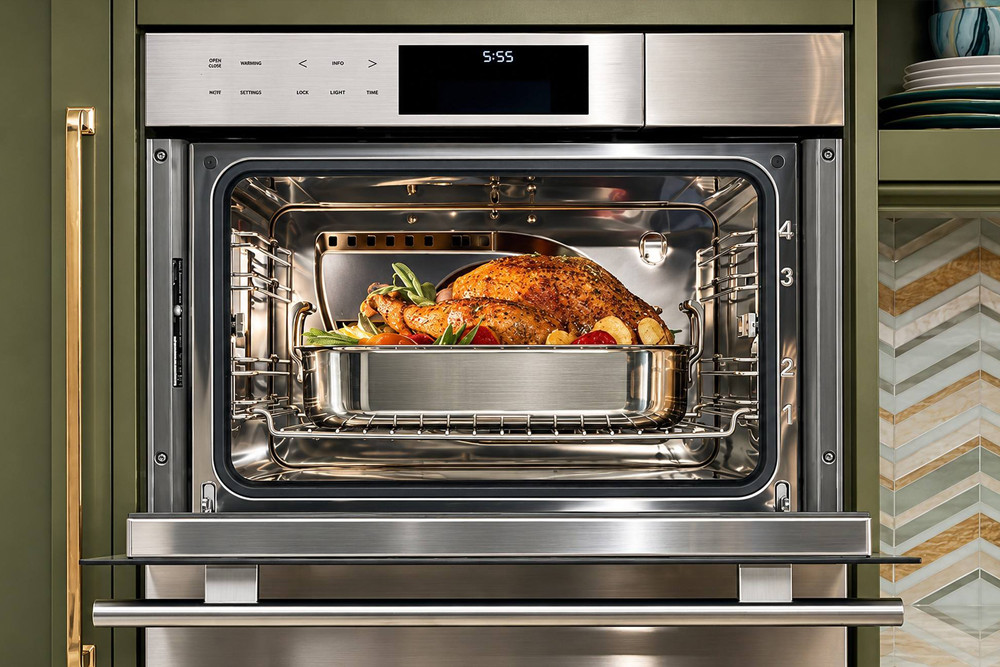
In the oven, families can often steam vegetables, poultry, fish, grains and even some breads or desserts by using the methods discussed above: covering dishes with foil, using an oven-safe Dutch oven-type vessel with a tight fitting lid, or placing a separate pan of water in the oven while cooking. Below are eight foods that may be worth trying with steam. Always consult your recipe for specific details such as timing.
1. Vegetables
Vegetables are a natural fit for steam cooking. Steaming often results in bright colors and crunchy/crisp textures, helping many vegetables stay vibrant and appealing. Cooking vegetables with steam can also help maintain their nutrients, which is one reason this method is a popular choice for families looking to prepare produce. Leafy greens, cruciferous vegetables like broccoli and cauliflower and root vegetables like carrots can all be steamed in the oven. Density affects timing—denser vegetables generally need more time to cook through, while delicate greens tend to cook more quickly.
2. Rice, grains and legumes
You can also use steam to cook rice and grains in your oven by putting them in an oven-safe dish with water and a tightly-fitting lid or foil cover. Rice, quinoa and cooked beans can all be prepared with steam cooking and the liquid ratio is the main variable to keep in mind. Consult your recipe to be sure. The moist environment cooks many types of grain gently for fluffy, well-hydrated results.
3. Fish and seafood
Delicate fish can go from raw to overcooked quickly when seared over high heat, but steaming offers a slower cooking pace that gives cooks extra flexibility and helps keep the natural fats inside the fillet from melting away too fast. Steaming also helps keep fish moist as it cooks. Thickness is the main variable for timing—thicker fillets generally need more time, while thin fillets and shrimp often cook more quickly.
4. Poultry
Steam cooking can help retain natural moisture for juicy proteins like chicken breasts. Chicken breasts, thighs and whole birds can all be prepared with steam cooking and portion size is the main variable for timing.
5. Eggs
Steaming gently cooks proteins while helping them maintain moisture and texture. This same principle can extend to eggs. Shell eggs and egg dishes such as frittatas and egg bakes can often be prepared with steam cooking and doneness preference is the main variable to keep in mind. Steam can help set eggs gently without overcooking, which can be helpful for delicate egg dishes.
6. Bread and rolls
Steam in ovens for baking purposes is also useful for some breads and pastries, as the steam helps create that coveted crust while simultaneously encouraging the inside of the bread to stay moist and fluffy. Steam during the first minutes of baking some breads can help support oven spring and a glossy crust.
7. Custards, cheesecakes and pastries
Steam in your oven can be a helpful tool for some desserts as well, particularly delicate options such as custards or cheesecakes that benefit from gentle, moist heat. Some custards, cheesecakes and pastries can benefit from the gentle heat that steam can often provide, making steam in ovens for baking a helpful option for families who enjoy preparing desserts.
8. Leftovers and reheated foods
Leftovers are a popular choice for reheating via steam in an oven because it often helps them retain some of their original moisture and flavor. Reheating pizza, rice, roasted meats and baked goods with low steam can sometimes help restore moisture without overcooking.
Not every oven includes a dedicated steam function, and whether steam cooking is worthwhile for your family depends on your household preferences. Depending on the setup, steaming can often be used to prepare a range of foods, including certain vegetables, fish, poultry, rice, grains, or even desserts.
Steam cooking may appeal to you if you:
· Prepare vegetables, fish, and grains often and want to help retain moisture and nutrients.
· Bake regularly and are interested in using steam in ovens for certain breads, pastries, and desserts.
· Frequently reheat leftovers and prefer to avoid dry textures.
· Are comparing cooking methods and want to weigh the advantages and disadvantages of steam in ovens.
elecontro® has specialized in kitchen appliance control for over 20 years, offering a range of functional oven timers and customizing them to suit your specific needs and preferences. Our team of innovative engineers and designers remains at the cutting edge of kitchen appliance control technology.