Lint on freshly laundered clothing is among the most frequent laundry frustrations reported by many homeowners. It can feel counterproductive to wash garments only to find them covered in unsightly lint when they come out of the machine.
To address this common issue, we consulted appliance service professionals for practical advice on what may be causing lint to accumulate during the wash cycle—and how to reduce or prevent it from happening in the first place.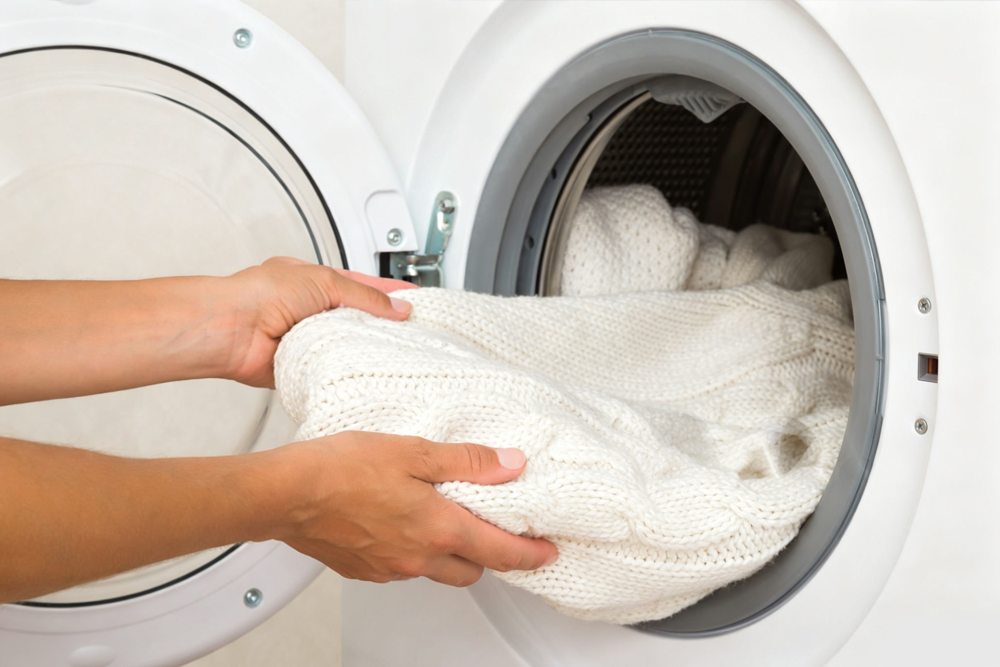
Separate items that shed lint—such as towels, flannel garments, and chenille sweaters—from those that readily attract it, including corduroy, synthetic materials, and darker-colored apparel. This practice helps reduce the transfer of loose fibers between different types of fabrics during the wash cycle, preserving the appearance of both groups.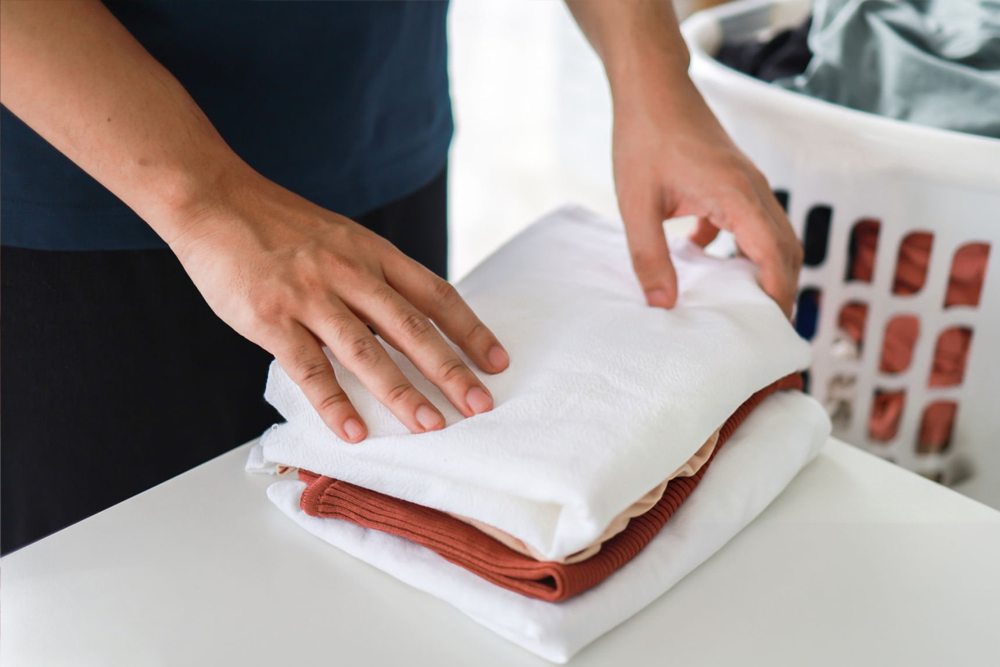
Make sure there is adequate room for laundry to move freely inside the drum, as proper circulation of water and detergent is essential for rinsing away lint. When the washer is packed too tightly, fabrics cannot tumble effectively, which can hinder cleaning and allow lint to remain trapped on garments instead of being flushed out. Maintaining a reasonable load size helps ensure that clothes are thoroughly washed and lint is carried away during the cycle.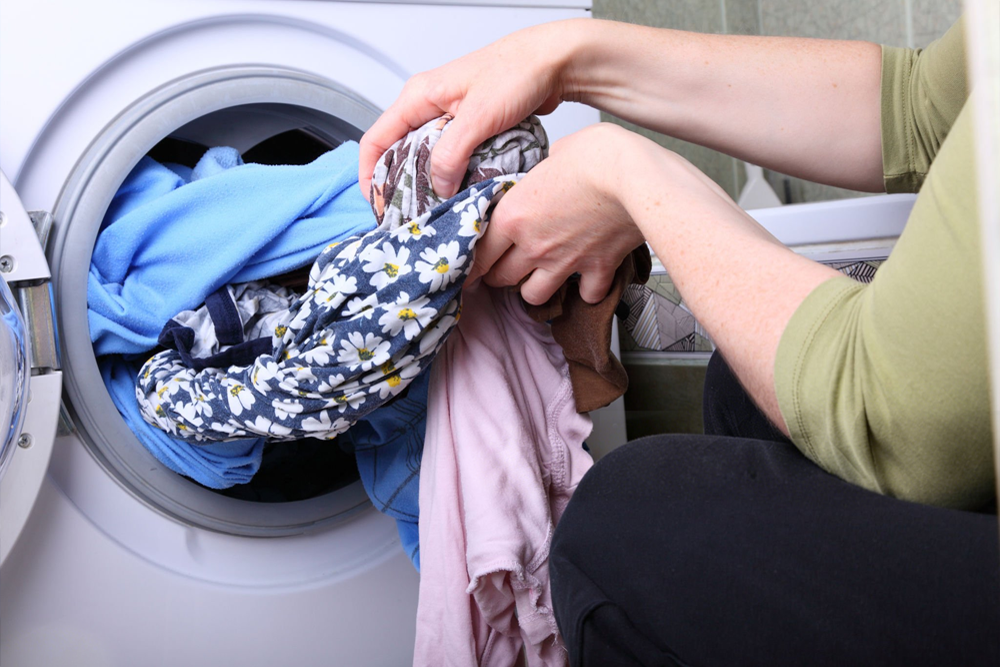
Before placing garments into the washing machine, it is advisable to inspect all pockets for items such as tissues, receipts, or paper scraps. These materials can break apart during the wash cycle and shed small fibers that adhere to other fabrics. By removing such items in advance, you can help prevent lint from spreading across your laundry and keep clothes cleaner.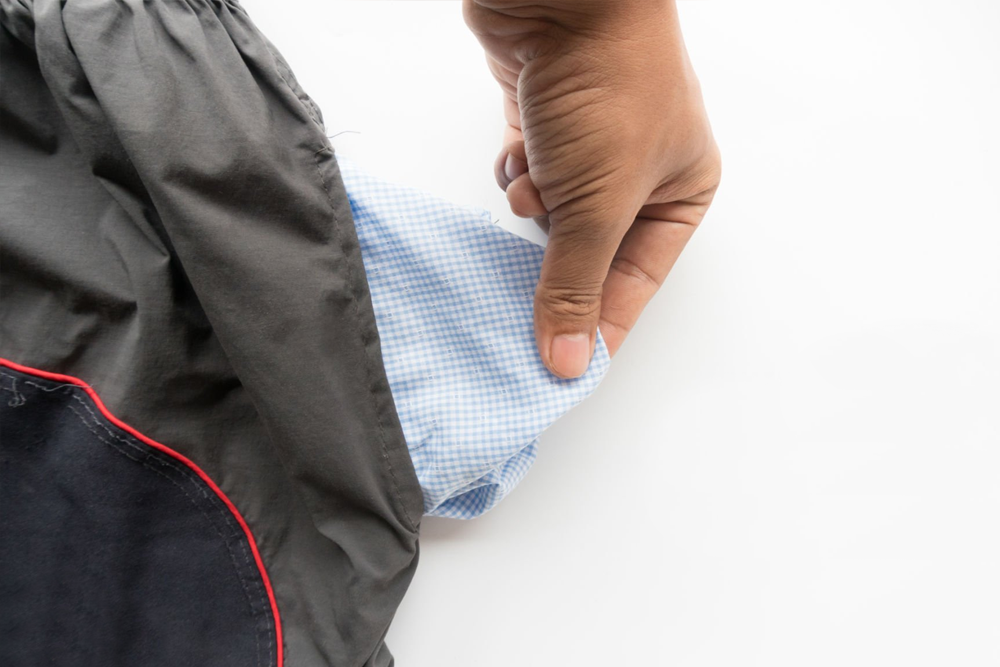
To achieve effective cleaning and minimize lint issues, it is important to use warm water—typically above 60°F—during the wash cycle, as this helps the detergent dissolve fully. Cold water may fail to activate the detergent properly, leaving a residue on fabrics that can attract and trap loose fibers. Additionally, the amount of detergent used should be adjusted based on the load size and degree of soiling, in line with the product’s dosage guidelines. Using too little detergent compromises cleaning performance, while overdosing can leave excess residue, which in turn encourages lint to cling to clothing. Balancing these factors helps keep laundry fresh and lint‑free.
To effectively remove lint from garments, the detergent must dissolve completely, which requires sufficiently warm water. If the water temperature is too low, the detergent may not fully dissolve, and its ability to lift lint away from fabrics could be compromised.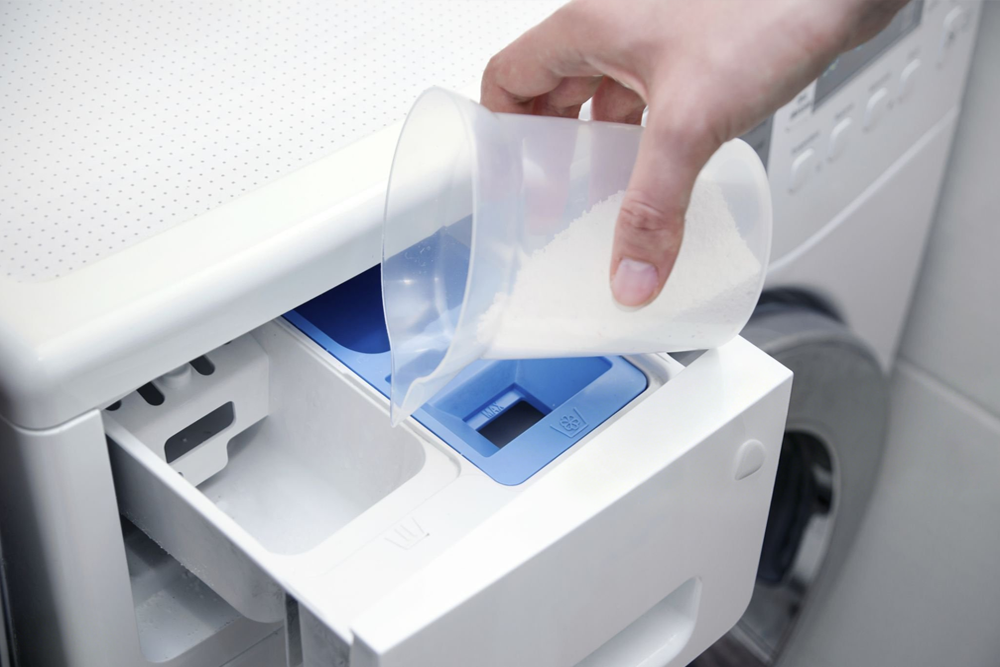
Selecting a slower spin setting can help reduce lint formation, especially when washing delicate fabrics or items that tend to shed fibers. Although a faster spin extracts more moisture and shortens drying time, it also subjects textiles to greater mechanical strain, which can cause fibers to break and release loose particles. By opting for a gentler spin speed, you place less stress on the material, thereby helping to limit the amount of lint produced during the cycle.
Rapid spin cycles tend to be rough on fabrics, often breaking down fibers and contributing to a greater release of lint. On the other hand, using a lower spin speed helps safeguard the material’s structure and limits the amount of lint produced during washing.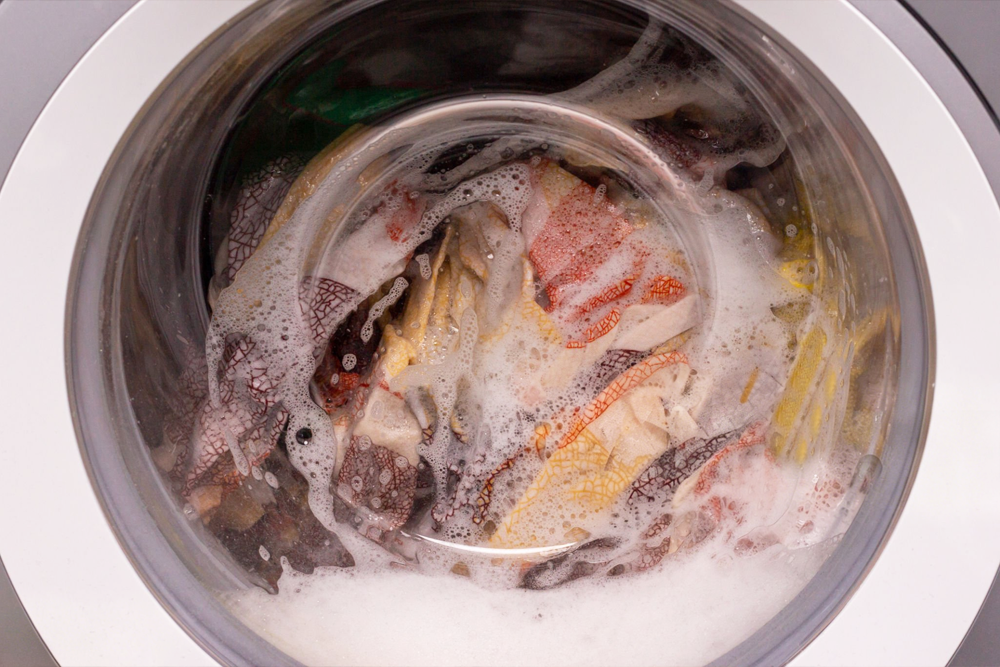
With more than twenty years of expertise in home appliance control, elecontro® is a professional manufacturer of washing machine controls that perfectly meet your individual requirements and preferences. elecontro®'s dynamic team of visionary engineers and designers continue to push the boundaries of home appliance control technology, ensuring we remain at the forefront of innovation.