If you skip preheating, your dishes may not turn out as intended, because the oven will still be warming up while the food is already inside. The following straightforward advice explains why preheating matters and offers practical guidance on how to do it effectively.
Understanding the importance of preheating your oven correctly is key to achieving successful cooking results. Think of this step as a preparatory phase that allows the oven to reach a stable temperature, ensuring your food cooks evenly and within the expected time.
If you skip preheating, your dishes may not turn out as intended, because the oven will still be warming up while the food is already inside. The following straightforward advice explains why preheating matters and offers practical guidance on how to do it effectively.
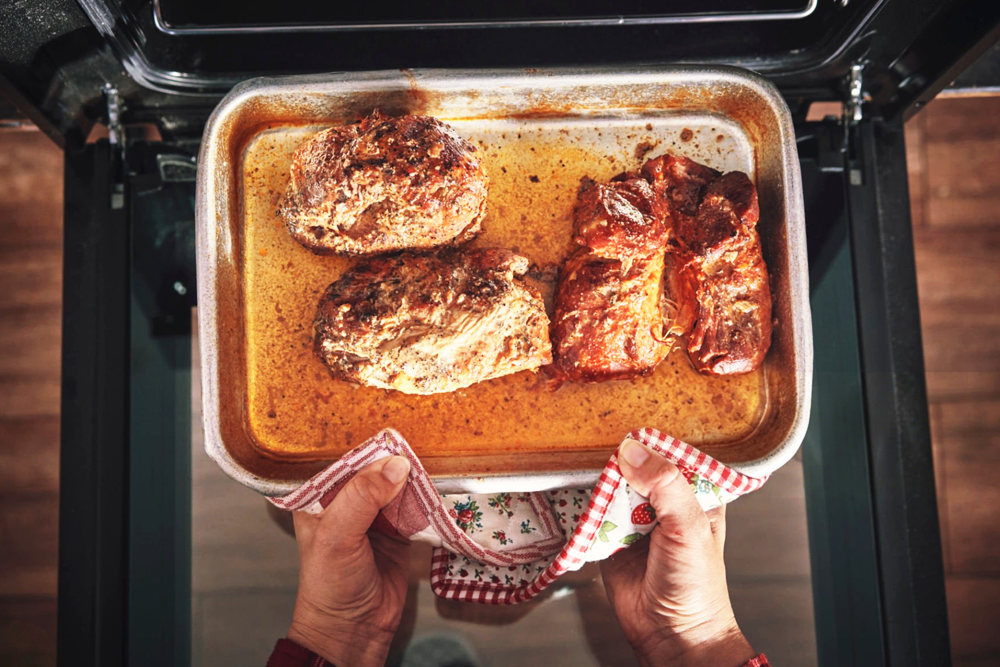
Methods to Speed Up Oven Preheating
Reducing the time needed to bring your oven to temperature is not only a matter of convenience—it also helps ensure that food begins cooking evenly from the moment it is placed inside. The following techniques can help shorten the preheating process. By applying these approaches, you can prepare your oven more quickly and achieve more consistent cooking results.
Using the Broiler Function
The broiler can serve as an effective tool for rapidly raising the oven's internal temperature. Careful management is essential to avoid overheating.
· Activate the broiler for a short period at the beginning of the preheating routine.
· Monitor the oven closely to prevent the temperature from rising excessively.
· Return the oven to standard baking mode before placing food inside.
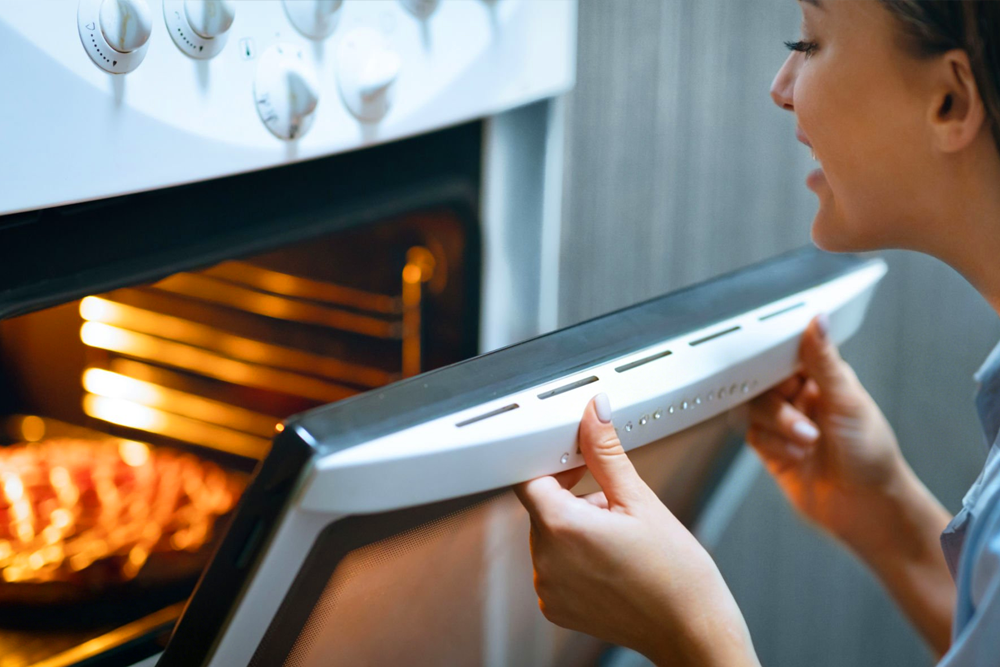
Making Use of Advanced Oven Settings
Many newer ovens include features designed to reduce preheating time. These built‑in functions are worth exploring.
· Determine whether your oven offers a rapid or quick‑preheat option and learn how to activate it.
· Enable this setting to accelerate the heating process.
· Ensure that the oven's software or firmware is kept current to maintain optimal performance.
Using Heat‑Retaining Accessories
Certain cookware and baking tools can help the oven maintain and distribute heat more effectively, which may shorten preheating times.
· Consider using baking stones or cast‑iron cookware, both of which store heat efficiently and contribute to temperature stability.
· Place these items inside the oven before preheating begins.
· Be aware that these accessories can increase the oven's heat output, so you may need to slightly adjust cooking durations.
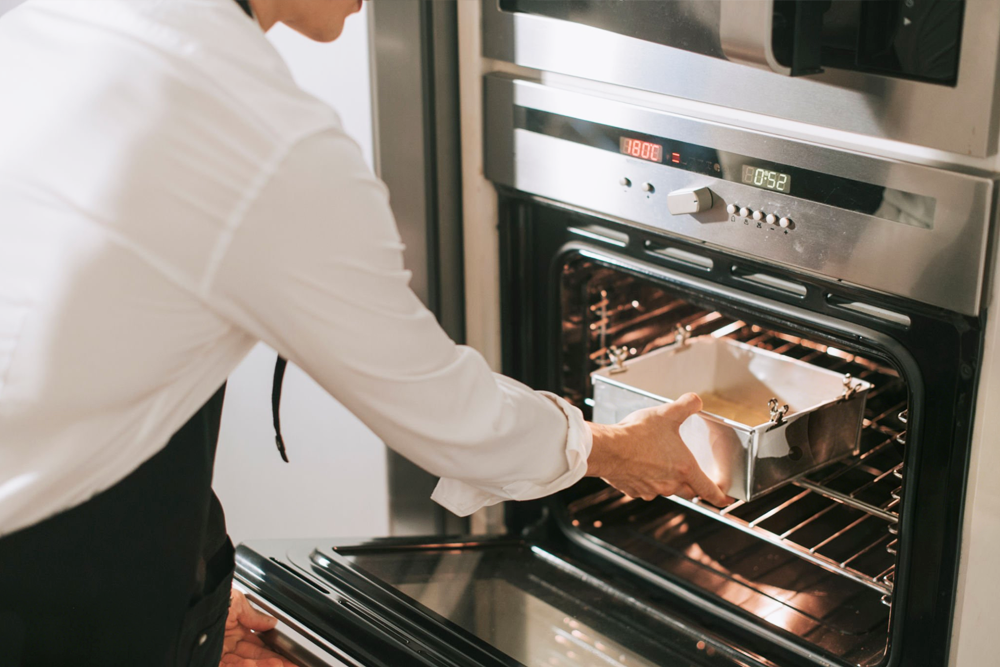
Ensuring Proper Oven Preheating
Preheating your oven correctly is essential for achieving consistent and reliable cooking outcomes. This involves more than simply turning the appliance on a few minutes before baking; it requires following a few key practices to ensure the oven is adequately prepared. The following guidelines outline the recommended steps for effective preheating.
Adhering to Recommended Preheating Times
Although it can be tempting to cut corners when time is limited, allowing the oven to heat for the full suggested duration is important for well‑prepared meals.
· Avoid the urge to shorten the preheating phase, even when pressed for time, and allow the oven to warm up as specified.
· Consult the user manual for the exact preheating time recommended for your model.
· Use a timer to signal when the oven has reached the desired temperature.
Keeping the Oven Unobstructed
For optimal heating performance, the oven should be free of unnecessary items during preheating. Removing clutter and extra racks allows heat to circulate more freely.
· Take out any pans, baking stones, or racks that will not be used for the upcoming dish.
· If specific rack positions are required, arrange them before switching the oven on.
· Ensure that no items are blocking the heating elements.
Maintaining Oven Cleanliness
A clean oven not only supports hygiene but also contributes to more efficient preheating, as residue buildup can absorb heat and affect performance.
· Clean the oven on a regular basis to prevent grease and food particles from accumulating.
· Wipe down the interior after each use to limit the buildup of crumbs and spills.
· Plan for a more thorough cleaning every few months to keep the appliance in good working order.
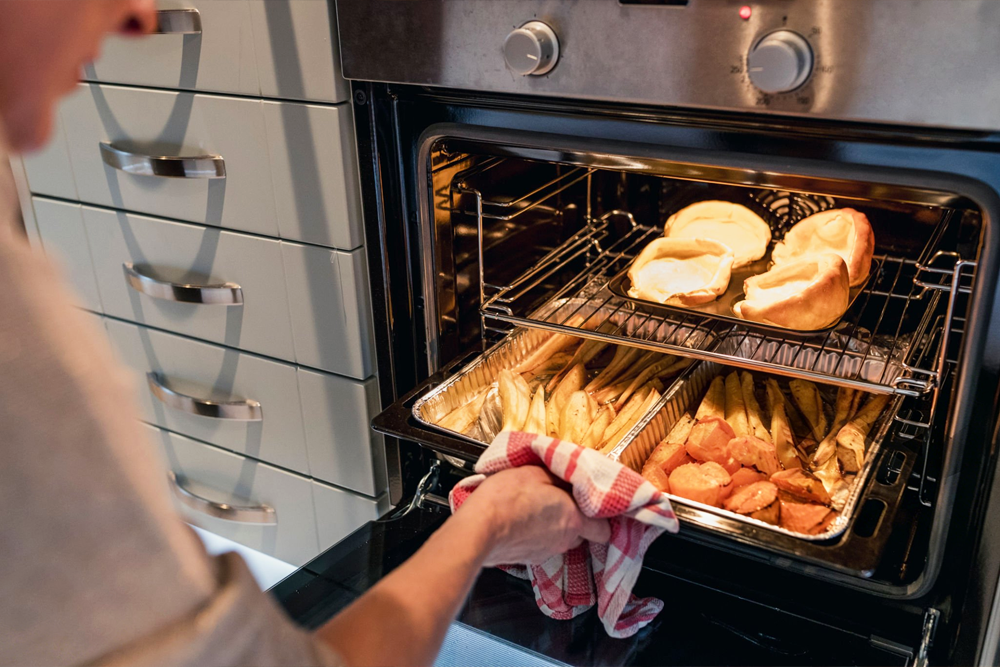
How to Avoid Typical Preheating Mistakes
Steering clear of frequent errors during oven preheating can significantly enhance both heating performance and overall cooking results. By following the guidance below, you can help ensure that the preheating process remains effective and consistent.
Recognising and Correcting Common Errors
Mistakes made during preheating can negatively impact the quality of your cooking. Being aware of these pitfalls and knowing how to address them is important for maintaining optimal oven performance.
· Adhere to the recommended preheating duration; avoid the temptation to shorten it, even when you are in a hurry.
· Allow the oven to complete its full preheating cycle to promote even cooking and proper temperature distribution.
Avoiding Overcrowding
Placing too many items inside the oven can restrict airflow and make it more difficult for the appliance to reach the desired temperature.
· Only keep in the oven those items that are necessary for the dish you are about to prepare.
· Ensure there is sufficient space around each item to allow heat to circulate effectively.
Prioritising Regular Oven Maintenance
A well‑maintained oven is not only cleaner but also operates more efficiently, particularly during heating and preheating.
· Keep the oven interior free of grease and food residue, which can interfere with its performance.
· Carry out deep cleans from time to time to preserve heating efficiency and overall reliability.
Further Tips for Getting the Most from Your Oven
Exploring additional methods to use your oven more effectively can help improve your daily cooking routine. These approaches not only boost appliance performance but also contribute to better overall meal results.
Loading the Oven for Better Heat Flow
Arranging food items properly inside the oven can have a noticeable effect on how evenly they cook, as it promotes better air circulation and heat distribution.
Making Use of Built‑in Functions
Taking advantage of your oven's more advanced settings can lead to improved cooking outcomes and greater efficiency in the kitchen.
· Switch on the convection setting when available; it helps food cook more quickly and uniformly across multiple racks.
· Use the integrated timer and temperature probe to monitor doneness accurately, reducing the risk of under‑ or overcooking.
Selected Oven Controller Developed by elecontro®
elecontro® has specialized in kitchen appliance control for over 20 years, offering a range of functional oven timers and customizing them to suit your specific needs and preferences. Our team of innovative engineers and designers remains at the cutting edge of kitchen appliance control technology.