For homeowners who are considering purchasing a new oven, the vast array of options available on the market can make the selection process overwhelming. This guide aims to simplify the process by outlining several key factors to evaluate before making a decision.
For homeowners who are considering purchasing a new oven, the vast array of options available on the market can make the selection process overwhelming. This guide aims to simplify the process by outlining several key factors to evaluate before making a decision.
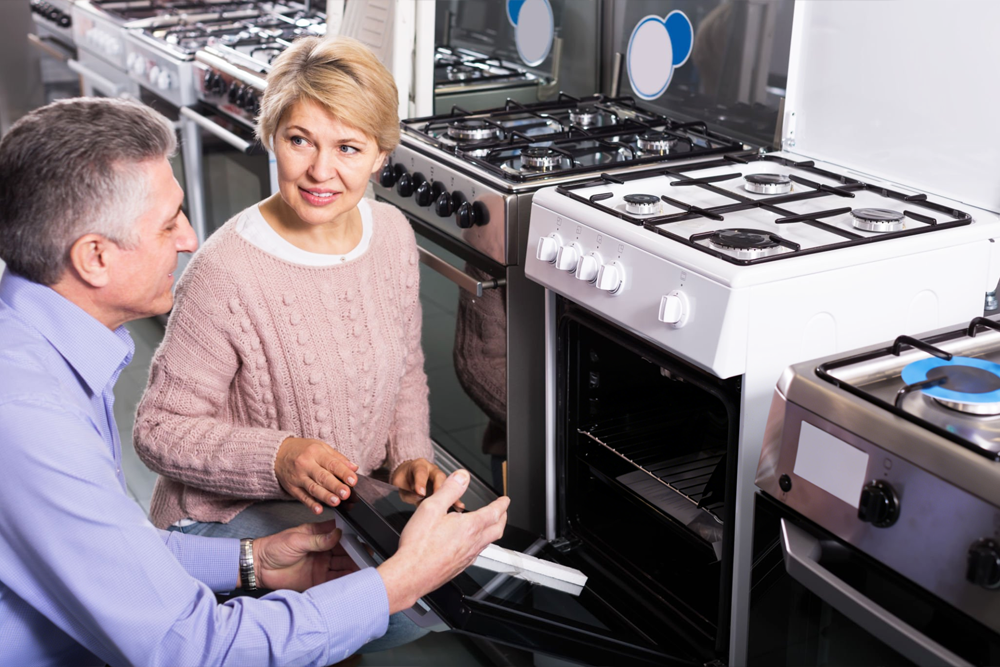
1. Choosing Between a Freestanding and Built-In Oven
When selecting a new oven, one of the initial considerations is whether a freestanding or built-in model better suits your kitchen and lifestyle. Each option presents distinct advantages and limitations, and evaluating them against your specific needs is essential.
Freestanding ovens function as standalone units that can be placed in various locations within the kitchen. They typically come at a lower price point and involve simpler installation, as they do not require modifications to existing cabinetry. Available in a wide variety of sizes, styles, and fuel types, freestanding models offer flexibility to match different cooking habits.
On the downside, freestanding ovens may offer less interior capacity compared to their built-in counterparts. This could be a limitation for those who frequently prepare large meals or host gatherings. Additionally, their design may not integrate as seamlessly with custom kitchen aesthetics.
Built-in ovens are installed directly within cabinetry, providing a streamlined appearance that integrates smoothly with the surrounding kitchen design. These models generally feature larger capacities, making them suitable for households that regularly cook for larger groups.
Installation for built-in ovens, however, tends to be more complex and often requires professional assistance. They are also typically more expensive than freestanding units. Furthermore, should kitchen renovations or relocations occur in the future, built-in ovens may offer less flexibility for repositioning or reuse.
In deciding between freestanding and built-in ovens, factors such as typical cooking volume, kitchen configuration, budget constraints, and design preferences should be carefully weighed. Ultimately, the choice depends on individual priorities and what aligns best with your home environment.
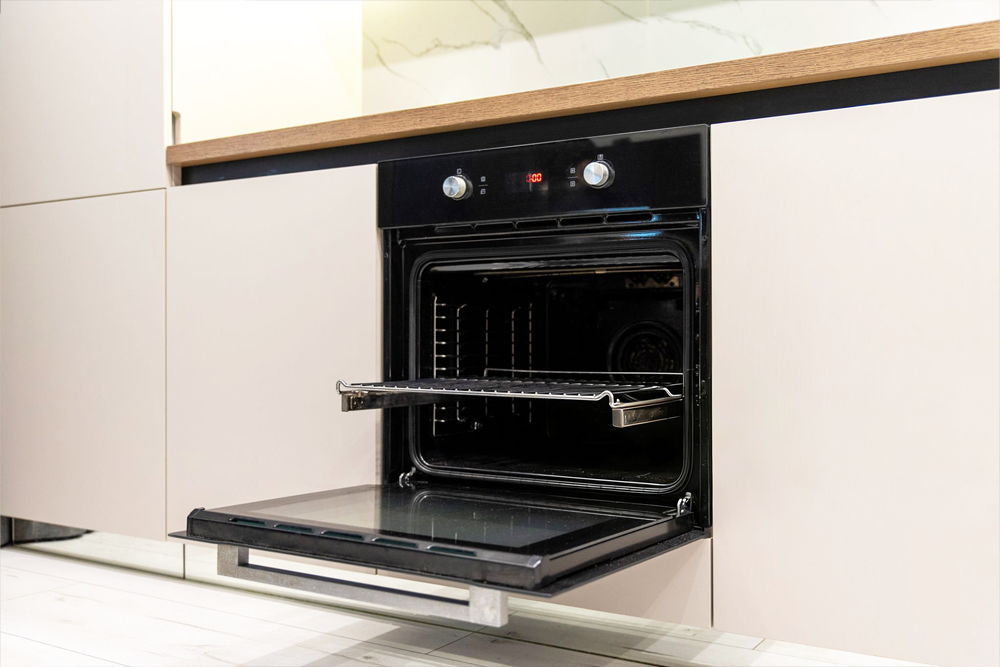
2. Deciding Between a Gas or Electric Oven
Selecting the appropriate fuel type is another important consideration when purchasing a new oven. Understanding the characteristics of gas and electric models can help guide this decision.
· Gas ovens are known for delivering immediate heat and allowing responsive temperature adjustments, which makes them a preferred choice for those who frequently bake or cook with precision. Electric ovens, in contrast, tend to offer more uniform heat distribution, resulting in consistent cooking performance suitable for everyday meal preparation.
· Regarding energy efficiency, gas models generally consume less energy over time, which may lead to lower utility costs in the long run. However, electric ovens often have a lower initial purchase price. Evaluating both the upfront expense and potential long-term savings is important when considering budget.
· Cooking habits also play a role in determining the better fit. For tasks such as baking pastries or items requiring steady, controllable heat, a gas oven may be advantageous. If stovetop cooking is more common and a clean, flat surface is preferred for easy cleaning, an electric model with a smooth cooktop may be the more practical choice.
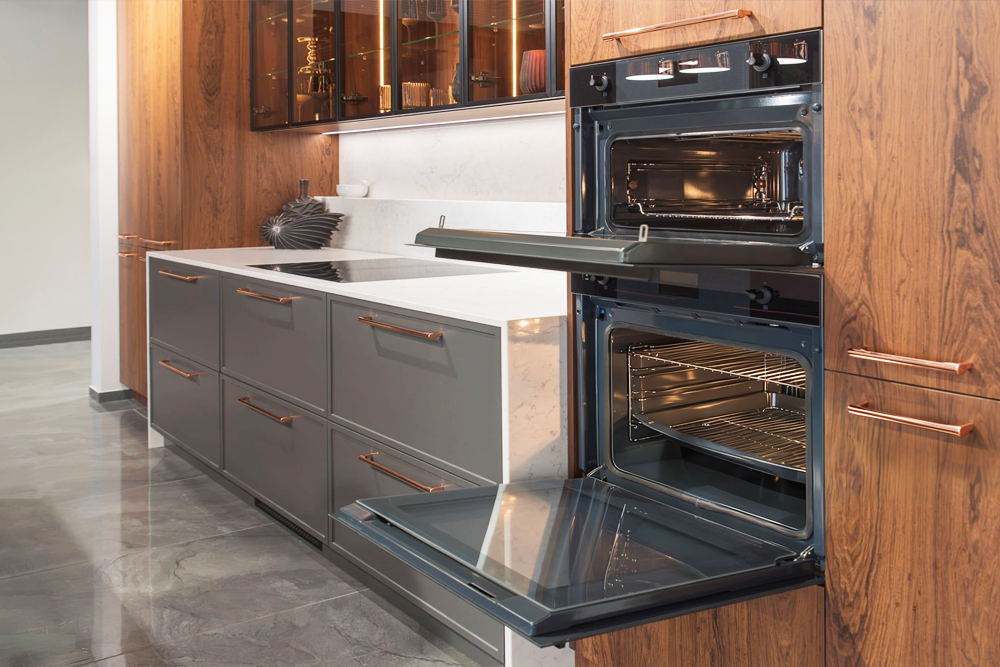
3. Determining the Appropriate Oven Size
Selecting an oven that fits properly within your kitchen layout requires careful consideration of dimensions and capacity. The following factors can help guide your decision.
· Assessing Your Available Space: Accurate measurements of the intended installation area are essential before exploring specific models. Record the width, depth, and height of the opening or designated space to establish the maximum dimensions your new oven can occupy.
· Single versus Double Oven Configurations: Another consideration is whether a single or double oven better suits your household. Single ovens are generally well-suited for smaller kitchens or for individuals who cook less frequently. Double ovens, by contrast, offer expanded cooking capacity and greater flexibility, making them a practical choice for those who often entertain or have larger families.
· Evaluating Interior Capacity: Oven capacity refers to the total cooking space within the unit. When evaluating capacity, consider household size, typical cooking frequency, and the types of meals or baked goods you prepare. For those who frequently cook large quantities or multiple dishes at once, a model with greater interior space may be more appropriate.
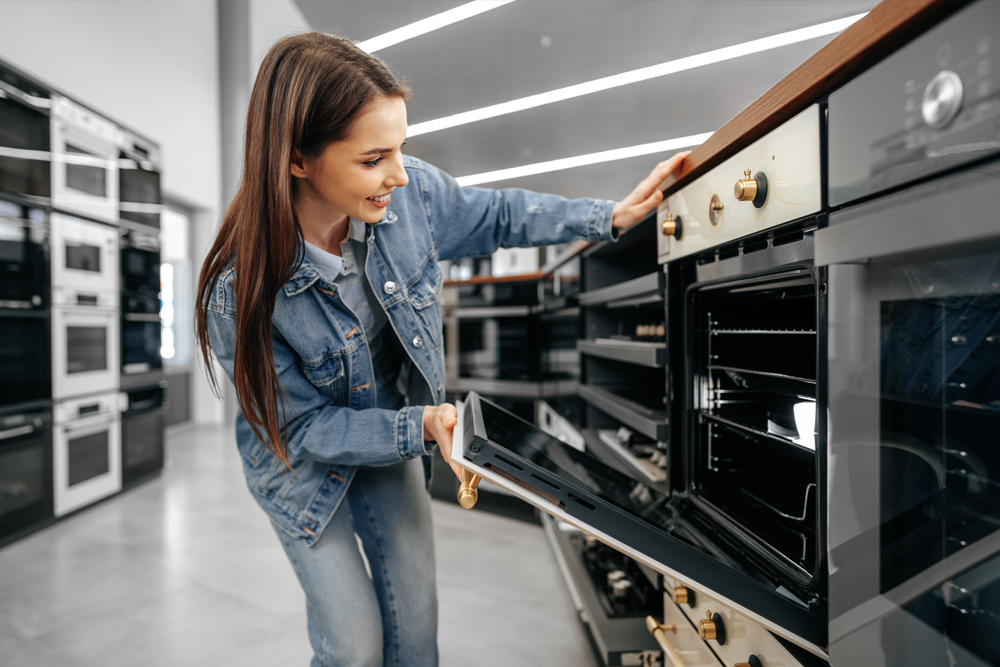
4. Comparing Digital Controls and Traditional Knobs
When selecting a new oven, one of the decisions to consider is whether a digital interface or conventional knob controls better aligns with your cooking habits and preferences. Each option offers distinct benefits.
Advantages of Digital Controls
· Accuracy: Digital interfaces allow for precise temperature and timing adjustments, which can be especially helpful when preparing baked goods or dishes that require exact heat levels.
· Ease of Use: Programmable functions enable users to schedule cooking start and stop times, offering flexibility for meal preparation around daily routines.
· Enhanced Capabilities: Models with digital controls often include additional settings such as convection cooking, steam options, or pre-set recipes, allowing for greater culinary exploration.
· Remote Functionality: Some digitally controlled ovens can connect to home Wi-Fi networks, enabling monitoring and adjustments through mobile devices.
Advantages of Traditional Knob Controls
· Straightforward Operation: Knob-based controls are typically simple to operate, requiring only a turn to select temperature or cooking mode, which appeals to those who favor a more classic approach.
· Mechanical Reliability: As mechanical components, knobs generally have fewer electronic points of failure compared to digital systems, contributing to long-term durability.
· Lower Initial Cost: Ovens equipped with traditional knob controls are often more budget-friendly than models featuring digital interfaces.
· Selecting the Appropriate Control Type
The choice between digital and knob controls largely comes down to individual preference.
Evaluating factors such as cooking frequency, familiarity with technology, and desired features can help guide the decision. For those who value precision and advanced functionality, a digital model may be more suitable. If simplicity, proven durability, and cost are higher priorities, traditional knob controls may be the better fit.
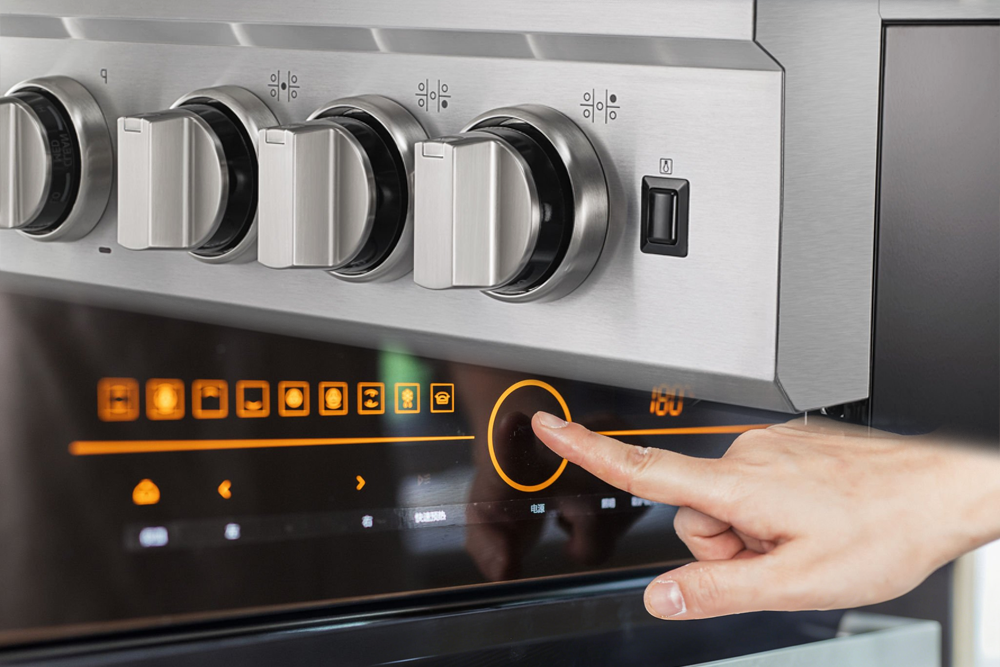
5. Which features are most important?
When purchasing a new oven, it's important to consider the features that will enhance your cooking experience and simplify your cooking process. Here are some must-have features to consider:
Features to Enhance Your Cooking Experience
· Convection Cooking: Seek out an oven with convection capabilities, which evenly circulates hot air for faster and more even cooking. This feature is particularly beneficial for baking and roasting.
· Variable Broil: Having the ability to adjust the broiling temperature allows you to achieve perfect browning and caramelization on a variety of dishes.
· Self-Cleaning: Consider a self-cleaning oven to simplify maintenance. This feature saves you time and effort by eliminating the need for manual scrubbing.
Features to Simplify Your Cooking Process
· Programmable Settings: Seek an oven with programmable settings that allow you to set the cooking time and temperature in advance. This feature is beneficial for busy individuals who desire a hot and ready meal upon arriving home.
· Dual Fuel: If you prefer the precision of gas cooking on the stovetop but want the consistency of electric baking, consider a dual fuel oven. This type of oven combines the best of both worlds.
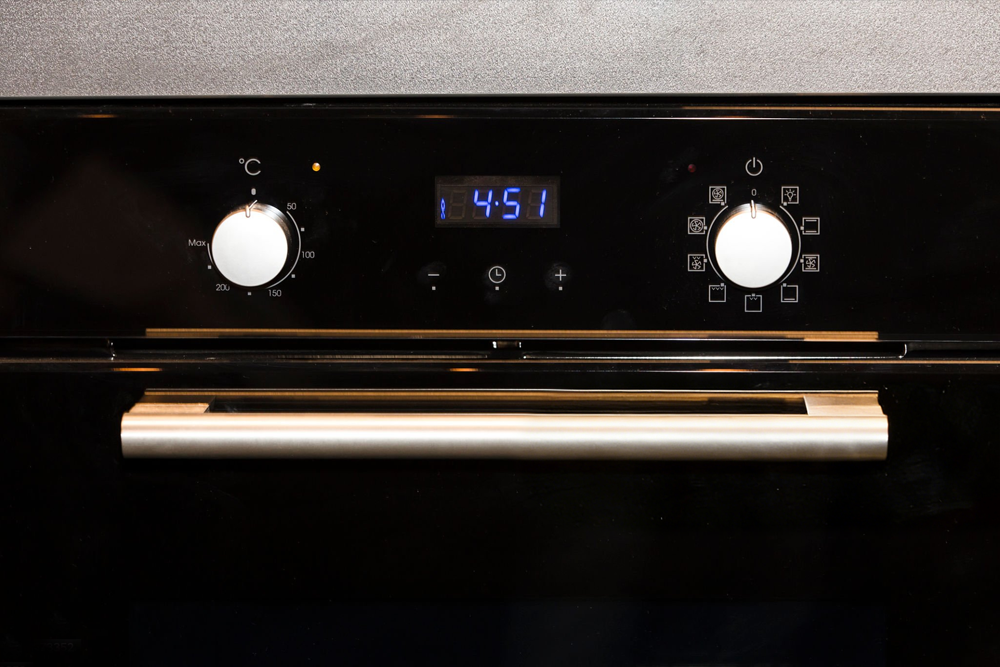
Prioritizing Features Based on Your Specific Needs
Consider your cooking habits and priorities when deciding on features. For instance, if you frequently bake, convection cooking and precise temperature control may be high on your list. Conversely, if you often cook large meals, a spacious oven with multiple racks and a warming drawer might be more important.
Also, remember to consider your budget when selecting an oven. While it's great to have all the latest features, it's important to choose those that align with your needs and preferences.
Purchasing an oven can be overwhelming with so many designs and features available. This piece walks you through five key considerations, such as fuel type, capacity, and long-term maintenance. Yet, sometimes a simple repair is more cost-effective. Before committing to a new model, explore stove repair to see if existing issues can be resolved without the hefty price tag of replacement.
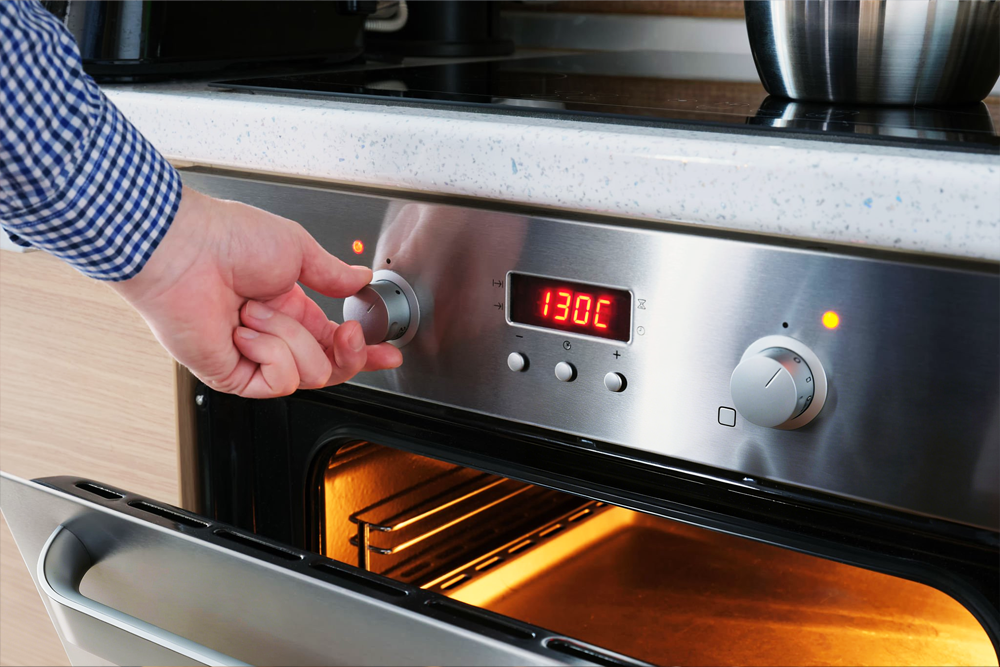
Prioritizing Features Based on Your Specific Needs
Consider your cooking habits and priorities when deciding on features. For instance, if you frequently bake, convection cooking and precise temperature control may be high on your list. Conversely, if you often cook large meals, a spacious oven with multiple racks and a warming drawer might be more important.
Selected Oven Controller Developed by elecontro®
elecontro® has specialized in kitchen appliance control for over 20 years, offering a range of functional oven timers and customizing them to suit your specific needs and preferences. Our team of innovative engineers and designers remains at the cutting edge of kitchen appliance control technology.